
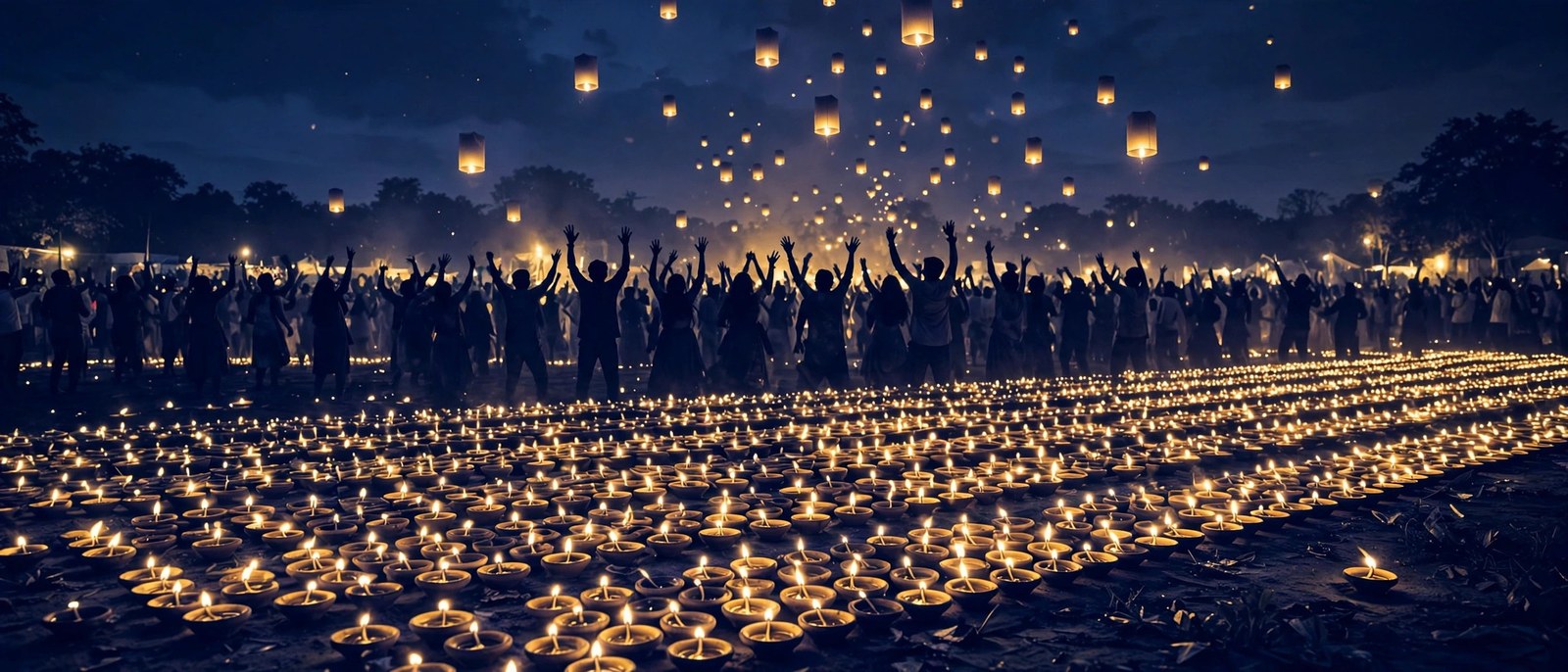
Festivals reveal a culture's soul
There's no better way to experience a culture than through its festivals. These celebrations distill a society's history, values, art, and joy into vivid, communal events. Attending one — respectfully — is travel at its most immersive.
From lights to colors to music, the world's great festivals create memories that last a lifetime.
Iconic festivals worth experiencing
- Diwali (India) — the dazzling festival of lights celebrating good over darkness.
- Carnival (Brazil) — explosive music, dance, and color before Lent.
- Cherry Blossom season (Japan) — serene 'hanami' gatherings under the blooms.
- Day of the Dead (Mexico) — a moving, colorful celebration honoring ancestors.
- Lunar New Year (East Asia) — family reunions, feasts, and festivities.
- Oktoberfest (Germany) — Bavaria's famous celebration of food and community.
Attend with respect
Festivals are living cultural and often religious events, not just spectacles for tourists. Research the meaning, dress appropriately, ask before photographing people, and participate humbly rather than treating it as a backdrop.
Read about the relevant culture first in our Country Guides, and learn the basics of being a respectful visitor. Experienced thoughtfully, a festival can be the highlight of any journey.
The giants: festivals worth planning a trip around
Some festivals are so spectacular they justify building an entire journey around them. Rio Carnival (February/March) is the world's largest — samba schools parading through the Sambadrome in costumes of staggering ambition, the whole city moving to one rhythm for a week. Diwali, the Hindu festival of lights (October/November), transforms India into a constellation of oil lamps and fireworks, celebrating the triumph of light over darkness — best experienced with a local family if you can manage an invitation.
Chinese New Year / Spring Festival (January/February) is the largest human migration on Earth as families reunite — experience the lantern festivals and temple fairs rather than the travel crush itself. Mexico's Día de los Muertos (November 1-2) is profoundly beautiful: families build ofrendas (altars) to welcome back departed loved ones — a celebration of continuity, not morbidity, and visitors are welcomed when they approach with respect. Germany's Oktoberfest (late September) is exactly as joyful as advertised, though booking a year ahead is wise. Each of these is culture at full volume — overwhelming, unforgettable, and worth every logistical hassle. Our New Year traditions guide covers more global celebrations.
The intimate: smaller festivals with big soul
The giants get the headlines, but smaller festivals often give the deeper experience. Japan's matsuri — thousands of local shrine festivals year-round — feature massive floats, traditional music, and entire neighborhoods in happi coats; the famous Gion Matsuri in Kyoto (July) is the grandest, but a small-town matsuri can be more magical. India's Holi (March) — the festival of colors — turns streets into joyful chromatic chaos; participate with biodegradable colors and protect your camera.
Taiwan's Pingxi Sky Lantern Festival and Thailand's Yi Peng release thousands of lanterns into the night sky in a spectacle of collective hope — check current environmental regulations, as some locations have shifted to eco-friendly alternatives. Harbin's Ice and Snow Festival (January/February) builds a full city from illuminated ice blocks in -30°C splendor. And Edinburgh's Fringe (August) — the world's largest arts festival — turns the entire city into a stage. Smaller festivals share an advantage: you are a participant, not just a spectator, and locals have time to welcome you. For festival-adjacent etiquette, our respectful guest guide applies.
How to festival well: the respectful reveler's guide
Festivals reward preparation. Book early — accommodation for major festivals sells out months ahead and prices multiply; for the biggest events, six to twelve months is not excessive. Understand what you are attending: Holi and Día de los Muertos are sacred observances as well as celebrations — participate with reverence, dress appropriately, and never treat religious elements as photo props. Read about the festival's meaning before you go; the experience deepens enormously.
Pace yourself: multi-day festivals are marathons — hydrate, eat, rest, and protect your belongings in crowds (see our travel safety tips). Go with locals when possible — a local friend transforms a festival from spectacle to participation; festival tours and community homestays can provide this. Learn the festival's key phrases and songs beforehand. And leave the place better than you found it: the environmental footprint of giant festivals is real, so carry reusables and respect local cleanup efforts. The goal is to be the guest the festival is glad came — the one who understood, participated, and honored what the celebration means to the people it belongs to.
Finally, let festivals change your calendar, not just your camera roll. Travelers who plan around one great festival a year — a lantern release, a harvest celebration, a music gathering — often call those trips the highlights of their decade. Pick one that stirs you, commit early, and go with an open heart. The crowds, the colors, and the 3am conversations with strangers-turned-friends will do the rest.
Consider volunteering at a festival. Many festivals — especially smaller and community-run ones — welcome volunteers for setup, guiding, translation, or cleanup, often in exchange for meals, access, or simply belonging. Volunteering flips the entire experience: you arrive as crew, not crowd, and leave with local friends, behind-the-scenes stories, and an understanding of the festival no spectator gets. Search the festival’s official site for volunteer programs a few months ahead; the commitment is usually a few shifts across the event. It is also the budget traveler’s secret weapon — some of the world’s great festivals become affordable the moment you are on the team instead of in the stands.