
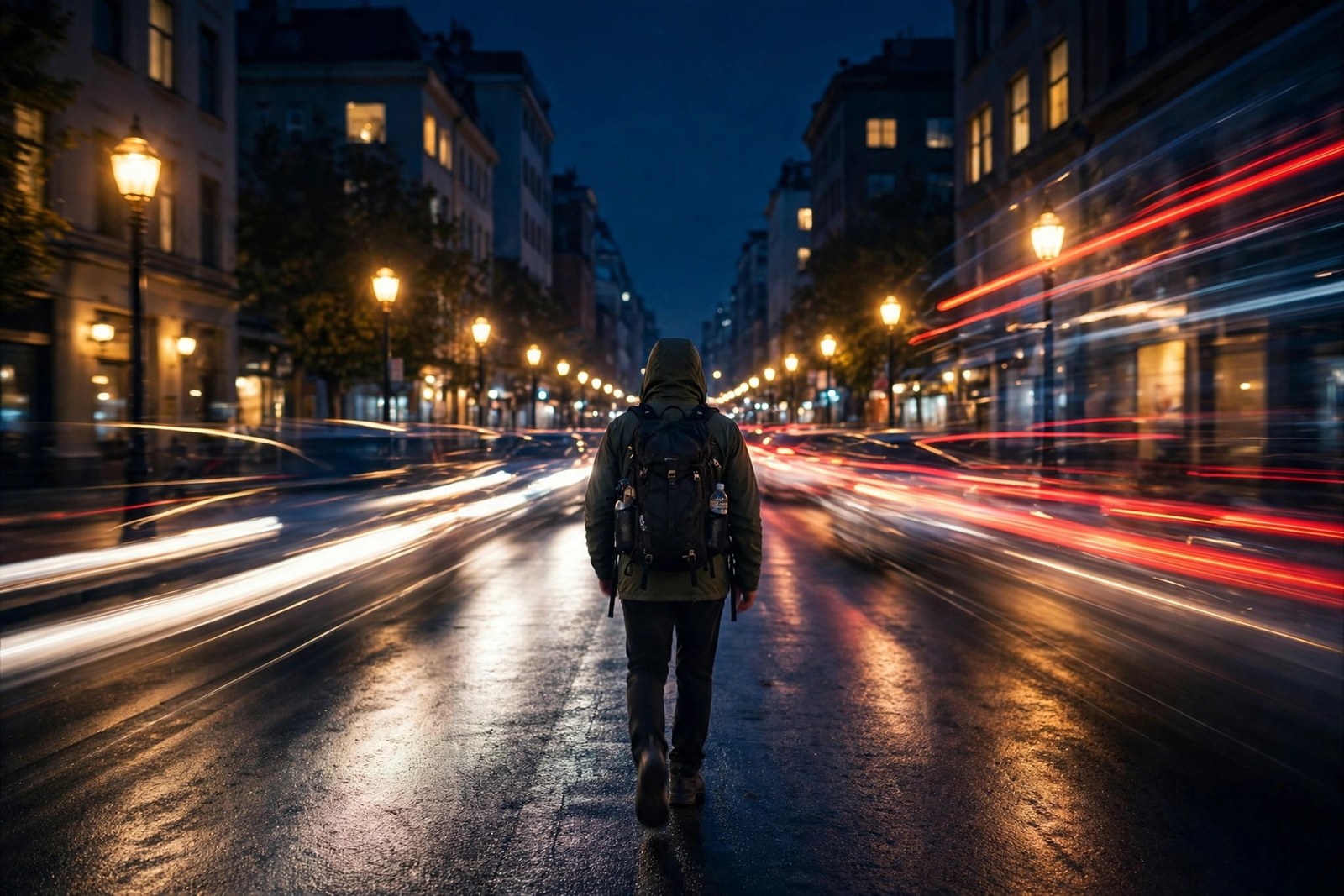
Safety abroad is mostly about preparation and awareness
The vast majority of international trips are completely safe. Most problems travelers face — theft, scams, lost documents — are preventable with a little preparation and street smarts. The goal isn't fear; it's confidence.
Before you go, research your destination's common scams and safe neighborhoods, register with your embassy if recommended, and make digital and paper copies of your passport and key documents.
Practical safety habits
- Keep valuables secure — use a money belt or anti-theft bag in crowded areas.
- Don't flash cash or expensive electronics in public.
- Use official transport and licensed taxis or trusted ride apps.
- Stay aware in tourist hotspots, where pickpockets concentrate.
- Keep emergency numbers and your accommodation address written down.
- Be cautious sharing your location or plans with strangers.
Trust your instincts
If a situation or person feels off, remove yourself politely and immediately. Your intuition is a powerful safety tool. Be especially wary of overly friendly strangers steering you somewhere or pushing a deal.
When meeting people you've connected with online while abroad, meet in public, tell someone your plans, and read our guide on safe online connections. With basic precautions, you can explore the world with peace of mind.
Research before you go: the 30-minute safety briefing
Most travel safety is decided before departure, in about thirty focused minutes. Start with your government's travel advisory for each destination — not to scare yourself, but to know the actual landscape: which neighborhoods to avoid after dark, whether protests are planned, any regional advisories. Then learn the three numbers: the local emergency number, your embassy's contact, and your travel insurance's 24-hour line. Save all three in your phone and on paper.
Next, research the common scams at your specific destination — every tourist city has two or three classics, from the "friendly" bracelet seller to the rigged taxi meter to the distraction theft. Knowing the script in advance makes you nearly immune; scammers target the unaware, not the prepared. Read recent traveler reports for the neighborhoods you will stay in, noting which areas locals advise avoiding at night. Finally, share your itinerary with someone at home: flight details, accommodation addresses, and a rough check-in rhythm. This is not paranoia — it is the travel equivalent of wearing a seatbelt. Our travel apps guide shows how to keep emergency info accessible offline.
Protect your valuables without becoming paranoid
The goal is sensible precaution, not fear. The core principle is separation: never keep all your money, cards, and documents in one place. Carry a day's cash and one card; leave the backup card, extra cash, and passport (unless legally required to carry it) secured at your accommodation. In crowded places — markets, metros, festivals — keep bags zipped and in front of you, and avoid flashing expensive gear. The pickpocket's business model depends on distraction; calm awareness is your best defense.
Digital security matters as much as physical. Use a VPN on public wifi, enable two-factor authentication on important accounts, and keep your phone's backup current — a stolen phone is recoverable, lost photos and contacts are not. Photograph your passport, visas, and insurance documents and keep copies in cloud storage and on paper, separate from the originals. At ATMs, use machines inside banks during daylight, shield your PIN, and be wary of "helpful" strangers. None of these habits will diminish your trip; after a day or two they become automatic, like looking both ways before crossing. For destination-specific money handling, see our foreign currency guide.
Health, transport, and trusting the right instincts
Getting around safely deserves its own thought. At night in unfamiliar cities, prefer official taxis, reputable ride-hailing apps, or hotel-arranged transport over hailing cars on the street. Share your ride status with a travel companion when the app allows it. On public transport, stay alert at the end-of-line stretches and keep valuables out of sight. If you rent a scooter — the classic Southeast Asia temptation — be brutally honest about your experience level, always wear a helmet, and check that your travel insurance actually covers it; many policies exclude scooters entirely.
For health, the basics prevent most problems: drink safe water (bottled or purified where tap water is questionable), ease into street food by choosing busy stalls with high turnover and freshly cooked food, and carry any prescriptions in original packaging with a copy of the prescription. Know the location of a reputable clinic or hospital near your accommodation — a two-minute search now beats a panicked one later. And finally, trust your instincts: if a situation, person, or place feels wrong, leave. You do not owe anyone an explanation, and politeness is never worth your safety. That instinct is data — thousands of years of human threat-detection — so honor it. Solo travelers will find more in our guide to solo travel destinations.
Choose travel insurance like you will need it — because the one time you do, it is everything. At minimum, cover emergency medical treatment and evacuation; a hospital stay abroad or an air ambulance can cost more than a house. Check the adventure exclusions carefully: scooters, skiing, scuba, and even hiking above certain altitudes are frequently excluded unless you add riders. If you carry expensive gear, add electronics coverage; if your trip is costly, consider cancellation coverage. Save the 24-hour emergency number in your phone and keep the policy number with your passport copies. Good insurance is the least exciting purchase of your trip and the one you will be most grateful for if the worst happens — which is exactly why it exists.