
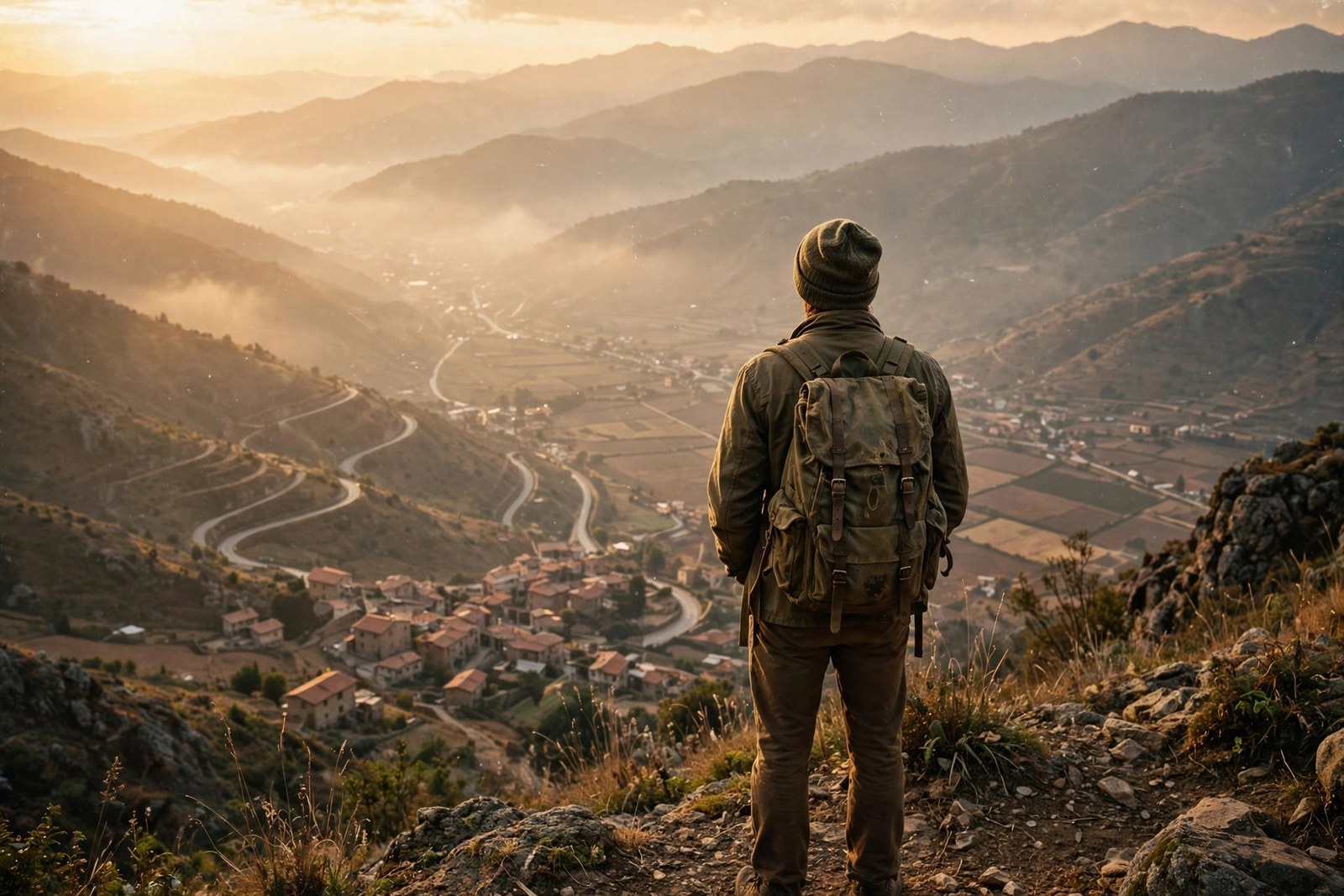
Solo travel is one of the most rewarding experiences
Traveling alone teaches independence, confidence, and self-reliance like nothing else. For your first solo trip, choosing a destination that's safe, easy to navigate, and welcoming to foreigners makes all the difference.
Look for countries with good public transit, widespread English or easy communication, a strong tourism infrastructure, and a reputation for safety and friendliness.
Great starter destinations for solo travelers
- Japan — extremely safe, efficient, and welcoming, though learning a few phrases helps. See our Japan guide.
- Portugal — affordable, friendly, walkable cities, and widely spoken English.
- Thailand — budget-friendly with a well-worn traveler trail and warm hospitality. See our Thailand guide.
- New Zealand — safe, English-speaking, and stunning for nature lovers.
- Vietnam — inexpensive, vibrant, and increasingly popular with solo travelers.
Tips for your first solo trip
Start with a few days in one city to find your footing before moving on. Stay in social accommodations like hostels to meet other travelers. Share your itinerary with someone at home and check in regularly.
Trust your instincts, keep copies of important documents, and review our international travel safety tips before you go. Solo travel feels intimidating before you leave and liberating once you're there.
What makes a destination good for first-time solo travelers
Beyond safety statistics, the best starter destinations share practical qualities. Legible transit matters enormously — cities where trains and buses are signposted, frequent, and easy to figure out remove the single biggest daily stress for a newcomer. A social infrastructure for travelers — hostels with common rooms, walking tours, cooking classes — means you are never more than an afternoon away from company if you want it. Forgiving communication helps too: widespread English, translation-friendly signage, or simply a culture accustomed to visitors reduces the friction of every interaction.
Also consider pace and scale. A mid-sized city is often a kinder first stop than a sprawling megacity — you can learn its layout in a day or two, which builds the confidence that carries the rest of the trip. And consider your own interests: a food lover will thrive in a culinary capital, a hiker in mountain country. Solo travel is easier when the place itself energizes you.
More destinations worth considering
- Ireland — famously warm and chatty locals, compact distances, English-speaking, and a pub culture built for striking up conversations with strangers.
- South Korea — extremely safe, futuristic transit, and a café culture made for solo lingering. See our South Korea guide.
- Mexico — rich culture, affordable prices, and welcoming people; start in well-traveled cities like Oaxaca or Mexico City. See our Mexico guide.
- Spain — late dinners and lively plazas mean solo travelers rarely eat alone unless they want to; excellent trains connect the highlights. See our Spain guide.
- Germany — efficient, safe, and straightforward; Berlin's hostel scene and café culture are ideal for independent travelers. See our Germany guide.
Safety habits that matter more than destination choice
Experienced solo travelers will tell you that habits outweigh destinations for staying safe. Arrive in a new city during daylight so you can orient yourself. Keep your accommodation's address written down in the local language. Split your money and cards between two places. Learn the local emergency number — it is not 911 everywhere. Share your live location with a trusted person back home during transit days.
Trust your instincts without apology. If a situation feels off — a too-friendly stranger steering you somewhere, a street that empties unexpectedly — leave, no explanation needed. Politeness is a virtue, but your safety outranks anyone's feelings. Solo travel teaches this lesson fast: you are allowed to be "rude" in service of being safe.
The inner game: loneliness, boredom, and growth
The unspoken truth about solo travel is that it includes lonely evenings and dull afternoons — and that is part of the gift. Without a companion to fill every silence, you notice more: the way light falls on a plaza, the rhythm of a market, your own thoughts. Bring a journal, a book, or a small creative project for the quiet hours; they turn solitude from something to endure into something to savor.
Structure helps on low days. A morning walking tour, an afternoon class, an evening at a hostel common room — one social anchor per day is usually enough to keep loneliness at bay while preserving the freedom that makes solo travel special. And when homesickness hits, call home, eat something comforting, and remember: the hard days are the ones you will be proudest of later.
Before you go, estimate costs with our Travel Budget Calculator and review travel safety tips — preparation is what turns nervousness into excitement.
Meeting people as a solo traveler
Solo travel's paradox is that traveling alone often makes you more social, not less. Without a companion as a buffer, you are approachable — and you approach others more readily. The key is choosing the right venues. Hostel common rooms and organized walking tours are the classic social infrastructure, but don't overlook cooking classes, day hikes with local guides, coworking spaces (for remote workers), and language exchange meetups. Each attracts people who are, by definition, open to meeting strangers.
Conversation openers that work across cultures: ask for a recommendation ("Where would you eat around here?"), offer something small (help with a photo, a share of your snacks on a long bus ride), or join a shared activity where talk happens naturally. Our Conversation Starter Generator offers culturally sensitive prompts for exactly these moments. And remember the shy traveler's advantage — read our guide on connecting when you're shy; one genuine one-on-one conversation beats a dozen superficial ones.
When solo travel isn't the answer
Honesty matters: solo travel is not ideal for everyone or every trip. If you are going through a hard time and need support, travel with a friend. If your destination requires complex logistics or has genuine safety concerns for solo visitors, a small group tour can be the wiser choice. There is no prize for suffering — the goal is a trip that leaves you stronger and happier. Solo travel will still be there when the timing is right.
Budgeting your first solo trip
Solo travelers pay the "single supplement" — one person covering costs built for two, from hotel rooms to taxis. Offset it by favoring hostels, guesthouses, and apartments over hotels; eating where locals eat; and using public transit. On the other hand, solo travel eliminates compromise spending — every dollar goes exactly where you want it. Many solo travelers find they spend less overall than in groups, because there is no social pressure to say yes to every expensive plan. Run the numbers first with our Travel Budget Calculator and build in a 15% buffer for the delightful unplanned.
One last piece of advice from veteran solo travelers: book only your first two nights in advance. Having an exit plan for the rest of the trip — the freedom to stay longer where you love and leave early where you do not — is the purest expression of traveling entirely on your own terms, at your own pace.