
The next robotics benchmark is a workday
A robot completing one impressive demonstration is not the same as a robot completing a shift. That distinction gives CoRL 2026 an unusually practical reading for companies considering automation. The conference is being held in Austin from November 9 through 12, with technical sessions during the first three days and workshops on the fourth. Its official keynote list includes Russ Tedrake’s ‘Learning in the factories,’ which asks what value real-world deployment brings back to large manipulation models. This article does not claim the conference has proved a new deployment standard. Instead, it extracts the questions that manufacturers, integrators and suppliers can use when assessing physical AI.
For the conference itself, see CoRL 2026 in Austin, explained; for the research debate behind the keynotes, see World Models vs. Behavior Models.
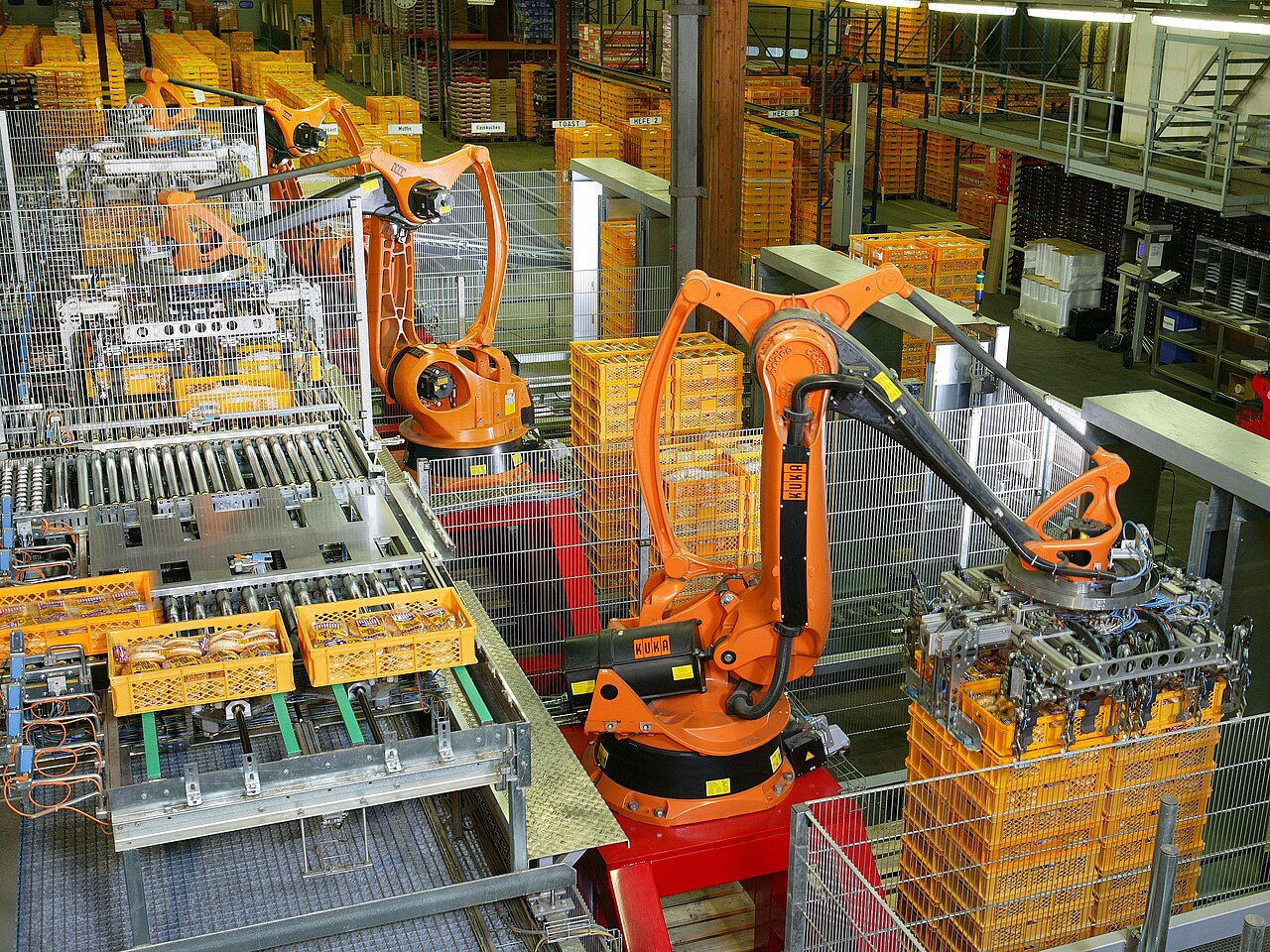
What counts as deployment evidence?
Deployment evidence should describe a system operating in a defined environment with an explicit task, measurable performance and a documented recovery process. A laboratory test may still be valuable, but it answers a different question. A short video can establish that a capability was demonstrated under particular conditions; it cannot establish typical uptime, cost per completed task or robustness across months of operation. Buyers should ask whether the robot worked autonomously or with remote intervention, whether objects were pre-positioned, how many attempts were excluded, and what counted as a failure. A vendor that provides those details is making its claims more auditable, even if its headline success rate is less dramatic.
The keynote’s core research proposition
Tedrake’s conference abstract says Walden Robotics began in January 2026 and deployed its first robot into a live production environment two months later. These are claims presented in the official speaker abstract and should be attributed as such rather than treated as independently audited operating metrics. The abstract proposes a continuous cycle in which deployment creates experience that improves learning, and improved learning supports further deployment. The key analytical question is whether that feedback loop generalizes across tasks and sites. More operating data is useful only if it is collected with enough context to identify what happened, what changed and why an intervention succeeded or failed.
The hidden cost of the last five percent
Suppose a robot completes a manipulation task in controlled conditions but struggles with a minority of real items. Those failures may consume disproportionate engineering and operator time. A factory buyer therefore needs more than average task success. Consider the distribution of cycle times, frequency of stoppages, manual recovery effort, quality inspection, maintenance requirements and the rate of repeat errors. The last few percentage points of reliability can determine whether a system saves labor or adds supervision. This is a general operational principle, not a CoRL 2026 experimental finding. A responsible article should not attach invented percentages, return-on-investment claims or customer testimonials to any conference speaker.
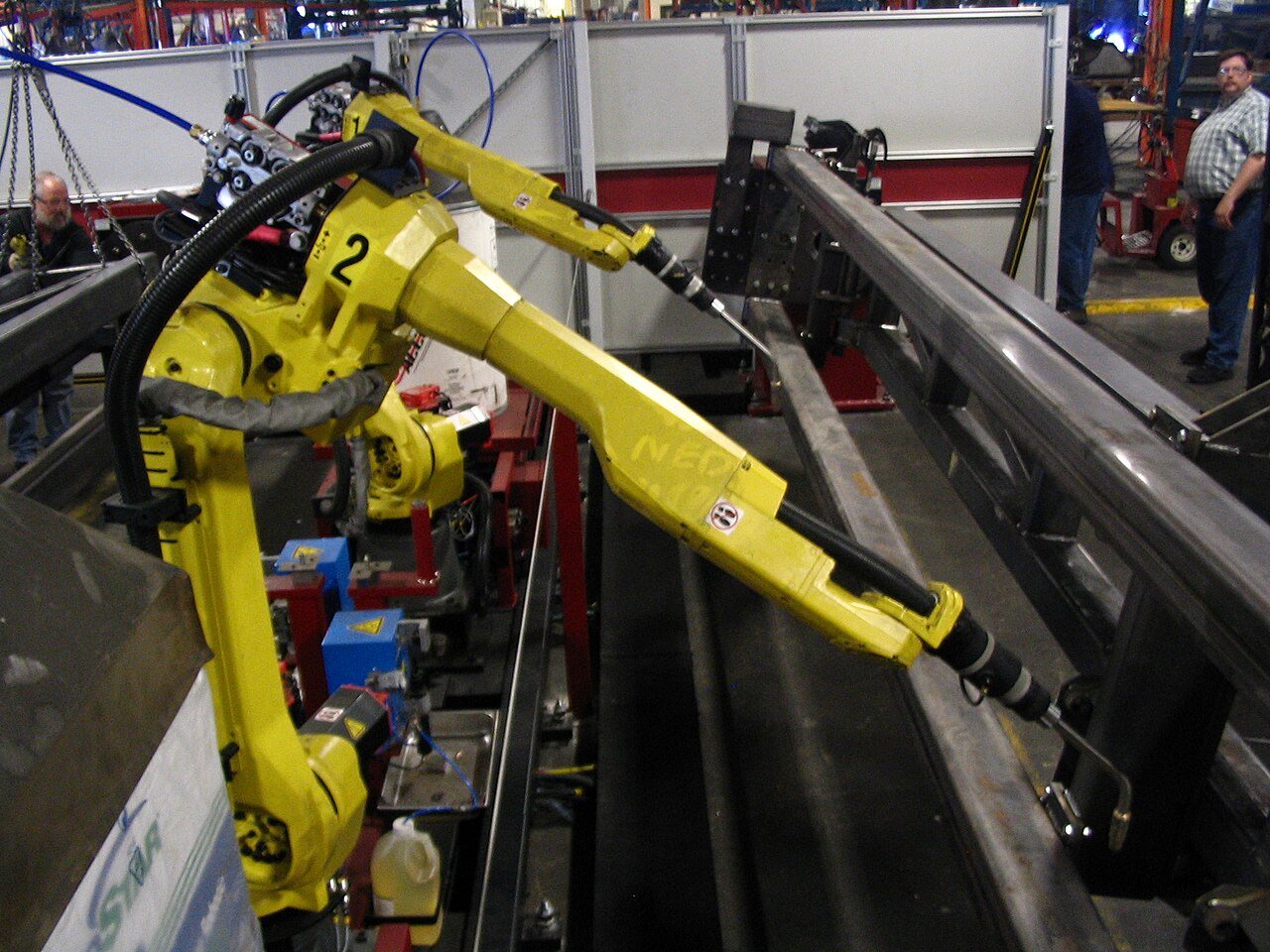
Hardware is part of the learning system
The CoRL workshop program includes topics on dexterous manipulation, bimanual tool use, contact-rich execution, controllers and hardware infrastructure beneath robot policies. That breadth reflects a basic constraint: a learned policy can only act through the mechanics, sensors and control loops available to it. A gripper’s compliance, a wrist camera’s viewpoint, tactile sensing latency and calibration drift can each change the observed task. Even strong software may perform poorly when the physical interface is inconsistent. For vendors, this creates a documentation obligation. Buyers should be able to understand supported hardware, operating envelopes, integration dependencies and the circumstances in which retraining is required.
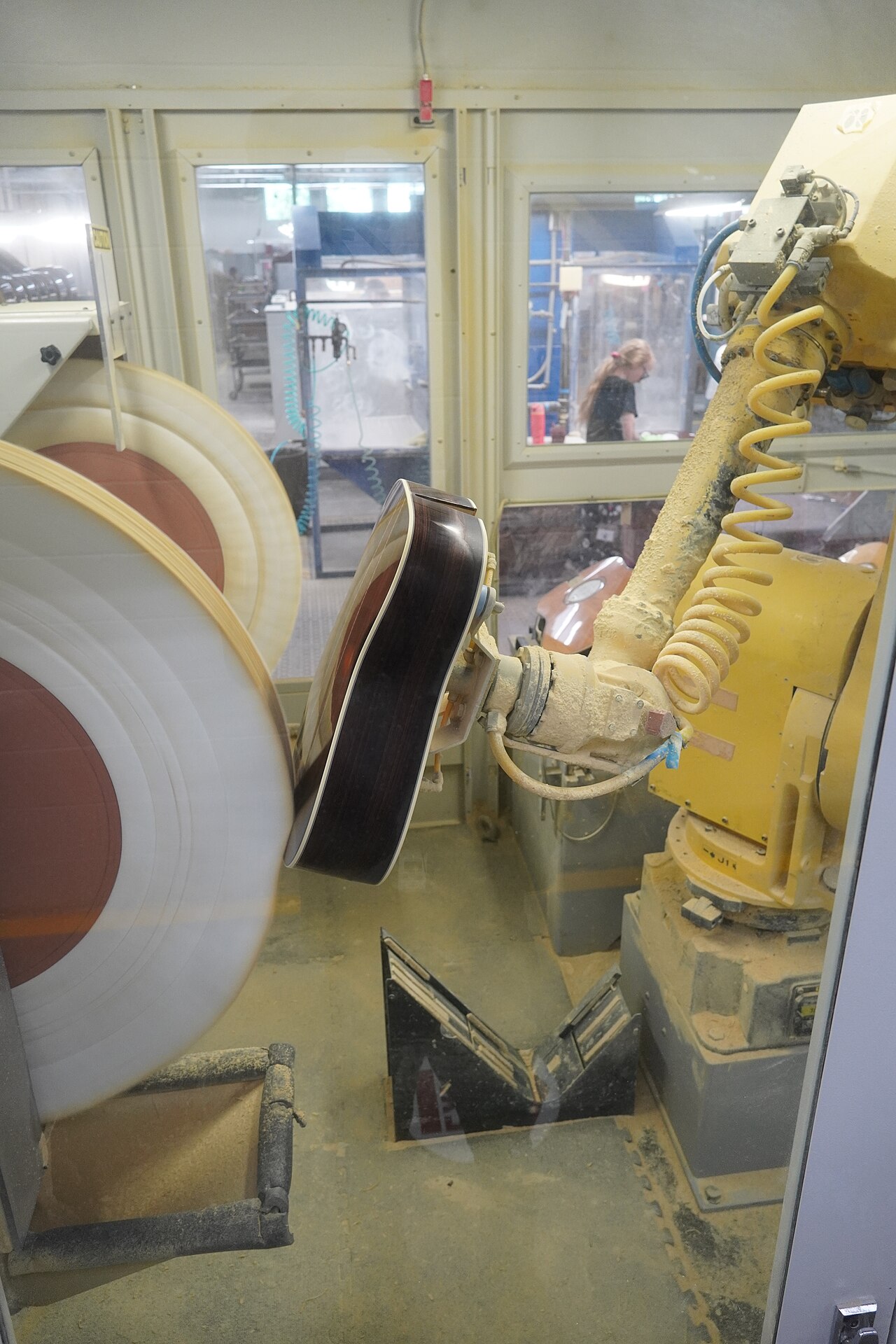
Simulation: valuable, but not a substitute for trials
CoRL’s workshop list also includes sim-to-real transfer, GPU-accelerated simulation and physics-informed manipulation themes. Simulation can make experimentation cheaper, permit controlled comparisons and expose a policy to varied scenes before real-world testing. But transfer has multiple dimensions. Visual appearance, object friction, contact dynamics, actuator delays and sensor noise may all differ from the physical workcell. A model that performs well in simulated video may still miss the force profile needed for a delicate assembly step. Buyers should request paired results: what was achieved in simulation, what happened on physical hardware, and what additional tuning was necessary to close the gap.
Safety, uncertainty and recovery
A workshop titled ‘The Science of Physical AI Safety’ appears in the accepted CoRL 2026 program, alongside a workshop devoted to uncertainty in robotic world models. These topics are relevant because robots interact with people, tools and physical inventory. Safety cannot be inferred from model scale or a polished demonstration. A deployment assessment should address risk analysis, emergency stops, guarded zones where applicable, incident reporting, change control and responsibility for software updates. It should also ask what the system does when confidence falls or an object cannot be grasped. Safe failure and quick recovery can be as important as successful execution. Applicable standards depend on robot type and jurisdiction; a supplier’s compliance claims must be verified separately.
A practical vendor comparison worksheet
An effective request for information can be organized into six groups. First, task definition: objects, tolerances, throughput and environmental variation. Second, evidence: sample sizes, failure accounting, independent testing and the difference between a demo and a production trial. Third, integration: supported robots, cameras, end effectors, software interfaces and cybersecurity requirements. Fourth, learning: what data is required to adapt the system and who owns that data. Fifth, operations: uptime measurement, support arrangements, monitoring and manual recovery. Sixth, economics: installation cost, recurring software charges, training time and the assumptions behind payback. This worksheet does not rank vendors; it helps buyers compare claims on a consistent basis.
How a directory can support better procurement
GlobleMatch can translate these requirements into a browsable map of the supply chain. Categories include Industrial Robots, Dexterous Hands, Robot Integrators, Robot Simulation, and Robotics Testing & Evaluation, all within the GlobleMatch robotics directory. A useful listing would separate manufacturer, software developer, integrator and research organization roles. It would distinguish documented product availability from research prototypes, and it would let buyers follow primary sources. Where capabilities are self-reported, profiles should say so. The directory must not suggest that inclusion means endorsement by CoRL or that an unverified supplier has deployed at a named factory.
Pilot design before a purchase decision
A useful pilot should begin with a written acceptance test. Choose representative objects and conditions before the vendor arrives, agree on what counts as an intervention, and reserve a set of cases that neither side uses for tuning. Track not just task completion but the number of resets, recovery minutes and quality defects. Run the test across relevant shifts or environmental variations rather than only during a single prepared demonstration. Record changes to software, sensors and fixtures, because otherwise improvements cannot be attributed confidently. A pilot may still fail for legitimate reasons; a transparent failure report can guide a better deployment design. Procurement teams should compare the full cost of integration and supervision with the existing process, rather than treating a model benchmark as a financial forecast.
What to verify after the conference
CoRL 2026’s official program lists the main conference through November 11 and workshops on November 12. Because this draft was prepared before the workshop day, it does not attribute outcomes, consensus or audience comments to sessions that have not concluded. Editors can later update the story with paper links, published slides and recorded sessions where available. Before publishing any company example, confirm the deployment location, operating conditions and source of performance claims. The enduring point is simple: physical AI will be judged not only by how robots learn, but by how clearly suppliers can show that learning survives contact with everyday work.
Frequently asked questions
What counts as deployment evidence for a factory robot?
Evidence that a system operated in a defined environment on an explicit task, with measurable performance and a documented recovery process: whether it worked autonomously or with remote intervention, whether objects were pre-positioned, how many attempts were excluded, and what counted as a failure. A short demonstration video alone cannot establish typical uptime, cost per completed task, or robustness across months of operation.
Why is simulation not a substitute for physical trials?
Because transfer has multiple dimensions: visual appearance, object friction, contact dynamics, actuator delays and sensor noise may all differ from the physical workcell. Buyers should request paired results - what was achieved in simulation, what happened on physical hardware, and what additional tuning was necessary to close the gap.
How should a buyer design a robot pilot?
Start with a written acceptance test: choose representative objects and conditions before the vendor arrives, agree on what counts as an intervention, and reserve a set of cases that neither side uses for tuning. Track not just task completion but the number of resets, recovery minutes and quality defects, across relevant shifts or environmental variations, and record changes to software, sensors and fixtures.
Sources
- CoRL 2026 official site - conference dates and format, November 9-12 in Austin: corl.org
- CoRL 2026 program - main conference through November 11, workshops on November 12: 2026.corl.org/program
- CoRL 2026 keynotes - Russ Tedrake’s ‘Learning in the factories’ title and abstract, including the Walden Robotics claims attributed to the speaker abstract: 2026.corl.org/program/keynotes
- CoRL 2026 accepted workshops - dexterous manipulation, sim-to-real, simulation and physical AI safety workshop topics: corl.org/program/workshops