
The short version: the 32 workshops accepted at CoRL 2026 are the most honest forecast in robot learning, because workshops are where researchers argue about what is not working yet. Grouped by theme, this year's list sends five clear signals: world models are being debated rather than assumed; data - its cost, quality and flaws - is the field's real bottleneck; learning is expected to continue after deployment; measurement is growing up; and robots are pushing into human and regulated environments, with safety treated as a science of its own. The full list, grouped, is at the end of this article.
How to read a workshop list
Keynotes tell you what a field is proud of. Workshops tell you what it is worried about. Each CoRL workshop is a half-day or full-day session proposed by researchers around an open problem, and acceptance is competitive - the 32 chosen for November 12 in Austin are a map of the problems the community most wants to solve next. Read by cluster rather than by title, they describe where robot capability, and the companies building it, are likely to move in 2027.
Signal 1: World models are a debate now, not a default
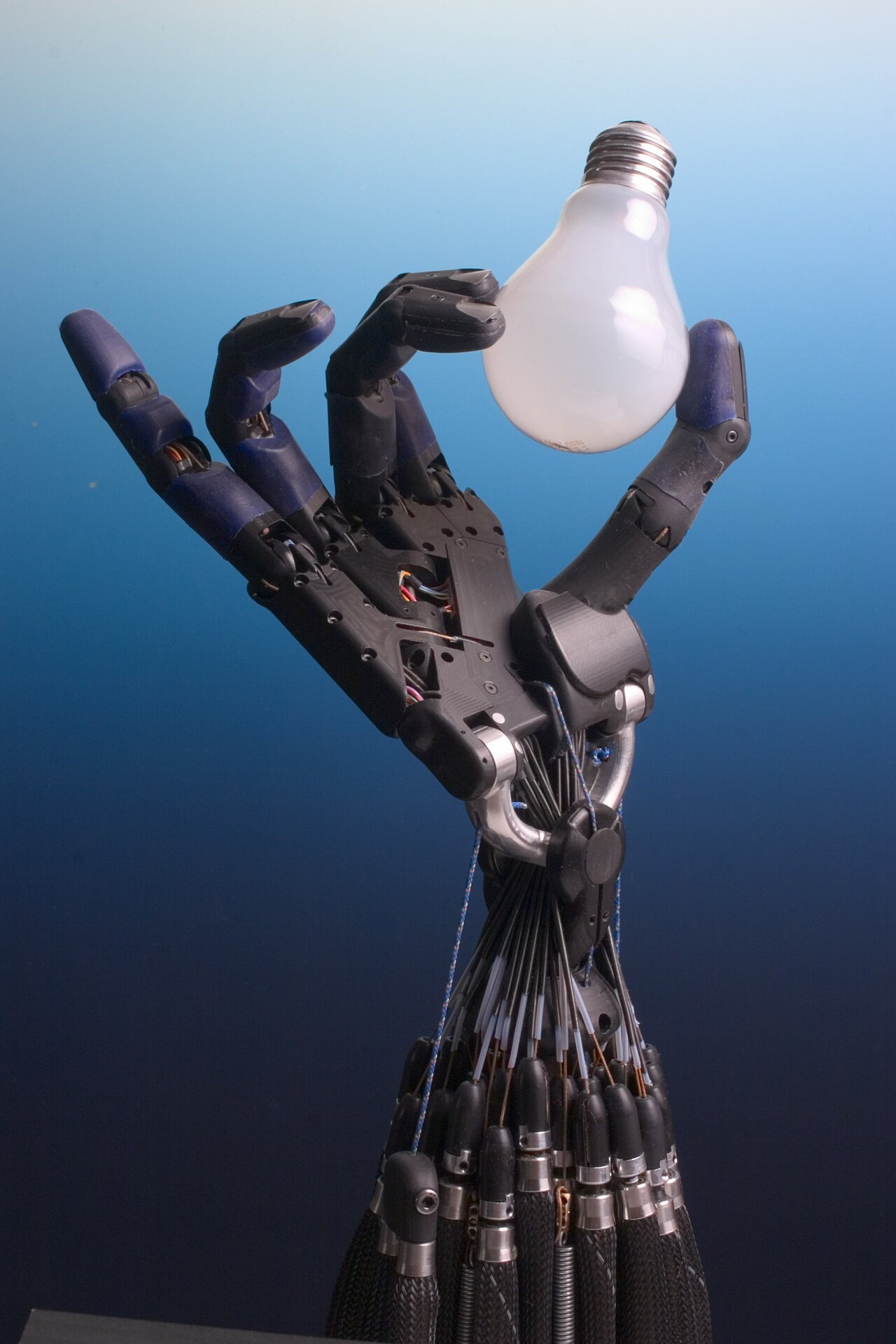
Four workshops engage world models directly - using them for manipulation, modeling their uncertainty, grounding them for driving decisions - and one is staged as an open argument: "Do Robots Need World Models? A Debate on Dynamics Learning, Planning, and End-to-End Robot Learning". A topic gets a debate workshop when serious people disagree and the disagreement is productive. Combined with the keynote pairing of Fei-Fei Li's Atlas world model against Russ Tedrake's factory behavior models (see our comparison of the two approaches), the signal is that model-based imagination is a live research direction with unresolved questions about physical accuracy - not a settled architecture. Vendors claiming the question is closed are ahead of the evidence.
Signal 2: Data is the bottleneck, and it is getting practical
Five workshops are about data rather than models: scaling laws for human-to-robot transfer, turning human videos into dexterous robot capability, a benchmark "Olympics" for handheld data-collection devices, and two sessions on the field's dirtiest secret - "Oops, I Erred", on collecting and using imperfect data, and "Learning from Corrections and Interventions". The direction of travel is unmistakable: away from pristine, expensive demonstration datasets and toward cheaper, messier, more abundant data that systems must learn to digest. For companies, that reprices the stack - data collection hardware, curation tooling and correction-handling move from backstage to selling points. It is the same shift visible in this week's industry news, from teleoperation data services to deployment-data flywheels, which we track in Robotics Funding Daily.
Signal 3: Learning is expected to continue after deployment
A distinct cluster treats the shipped robot as the start of learning, not the end: "Learn@Deploy: Robot Learning at Deployment", the "Continually Self-Improving Robots Workshop", "Pretrain to Adapt", on what makes a pretrained policy adaptable, and "Remember, Retrieve, Act", on memory for robot foundation models. Add "Efficient Foundation Models for Real-Time Embodied AI" - foundation models that must run at control-loop speed, on robot hardware - and the message is that the field's unit of progress is shifting from a trained model to a learning system that lives in the world. Products will be judged on how they improve in a customer's facility, and on what their memory and adaptation do to reliability.
Signal 4: Measurement is growing up
"Beyond Binary Success" argues, in its title alone, that grading manipulation as pass/fail hides the capabilities buyers actually need to know about. "RoboLetics 3.0" builds benchmarks for agile physical human-robot interaction; the UMI Olympics benchmarks the data-collection devices themselves. Together with two transfer workshops - "Sim-to-Real-to-Field" and the session on GPU-accelerated simulation for real-world policy learning - the signal is an evaluation culture forming around robot learning: finer-grained, more physical, and closer to field conditions. That is the precondition for enterprise procurement, insurance and regulation to engage with learned robot policies at all.
Signal 5: New environments, and safety as its own science
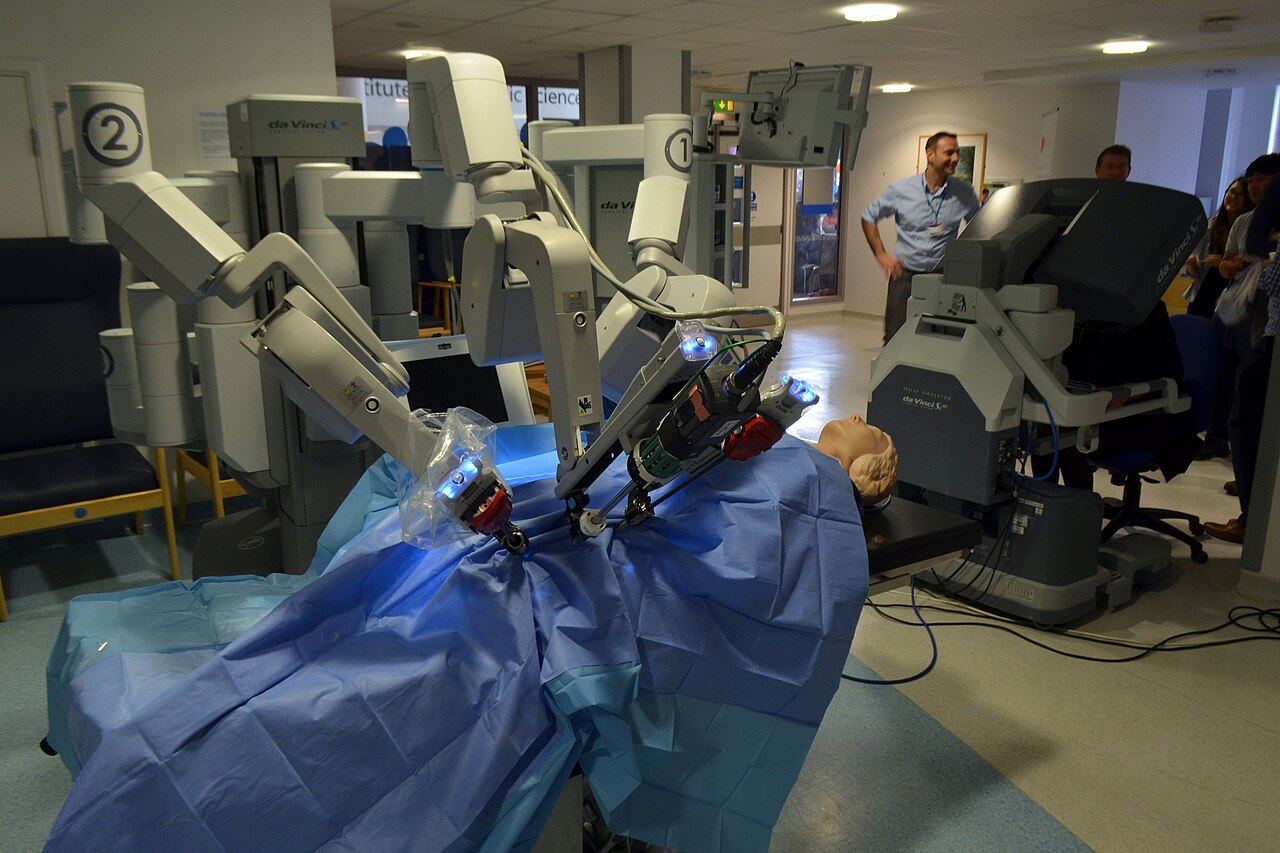
The application frontier is visible in the remaining cluster: "Robot Learning on the Path to Surgical Autonomy" takes learned policies into an operating room context; "Human-Centered Robot Learning and Interaction" and RoboLetics put people in the loop physically; and "The Science of Physical AI Safety Workshop" treats safety as a research discipline with its own methods, not a compliance appendix. Underneath all of it, "Everything Beneath the Policy" is a useful corrective: controllers, hardware and data infrastructure shape what the learning layer can achieve - a reminder that the component and integration layers of the industry, heavily represented in the GlobleMatch robotics directory, capture value regardless of which model architecture wins.
The full list: all 32 CoRL 2026 workshops, grouped
Workshop titles as published in the conference's accepted-workshops list.
World models and simulation (6)
- Bringing Physics Simulation and World Models Together for Robotic Manipulation
- Modeling Uncertainty in Robotic World Models
- Do Robots Need World Models? A Debate on Dynamics Learning, Planning, and End-to-End Robot Learning
- Grounded 4D Multimodal World Models for Autonomous Driving Decision Making
- Sim-to-Real-to-Field (SRF): The Science of Transfer
- From GPU-Accelerated Simulation for Real-World Robot Policy Learning
Data: collection, quality and corrections (5)
- Scaling H2R: Scaling Laws and Diversity in Human-to-Robot Workshop
- "Oops, I Erred" - Collecting, Curating and Using Imperfect Data for Realistic Scenarios
- Learning from Corrections and Interventions
- From Human Videos to Dexterous Robot Capability: A Hands-on Tutorial
- The UMI Olympics: From Handheld Devices to Real-World Policies
Foundation models: memory, adaptation, deployment (5)
- Remember, Retrieve, Act: Memory for Robot Foundation Models
- Efficient Foundation Models for Real-Time Embodied AI
- Pretrain to Adapt: What Makes a Pretrained Policy Adaptable?
- Continually Self-Improving Robots Workshop (CSIR-2026)
- Learn@Deploy: Robot Learning at Deployment
Dexterity and contact (4)
- BiDexTool: Bimanual Dexterous Tool Use: From Contact-Rich Execution to Generalist Robot Intelligence
- 3rd Workshop on Dexterous Manipulation: Full-Stack Robotics on Learning and Design
- Open Problems in Contact-Rich Loco-Manipulation
- Beyond Binary Success: Diagnosing Fine-Grained Capabilities in Robot Manipulation
Planning, structure and reasoning (4)
- 4th CoRL Workshop on Learning Effective Abstractions for Planning (LEAP)
- 1st Workshop on "Structured Physical Intelligence" (SPIN)
- Compositional Generalization for Real-World Robot Learning
- Spatial Intelligence and Structured Reasoning for Embodied Navigation (SISREN)
The learning machinery and the stack (3)
- The action gap: large generative models (video, image, 3D) learn rich knowledge
- R2RL: Roadmap to Sample-Efficient Real-World Reinforcement Learning
- Everything Beneath the Policy: How Controllers, Hardware, and Data Infrastructure Shape Robot Learning
Humans, safety and new domains (4)
- Robot Learning on the Path to Surgical Autonomy: Methods, Data, and Open Challenges
- RoboLetics 3.0: Benchmarks for Agile Physical Human-Robot Interaction
- Human-Centered Robot Learning and Interaction: Toward Reliable and Scalable Autonomy in Human Environments
- The Science of Physical AI Safety Workshop (SPAIS)
Agents (1)
- Workshop on Agentic Robotics
What this means for companies
For robotics suppliers and buyers, the workshop map translates into concrete positioning. Data infrastructure and collection hardware have a growing market as the field industrializes imperfect-data learning. Evaluation and benchmarking services become sellable as procurement demands evidence finer than a demo video. Dexterous hardware - hands, end effectors, tactile sensing - stays scarce and valuable, with four workshops chasing contact-rich capability. And deployment-time learning creates a new service layer: whoever helps a customer's fleet keep improving, safely, owns a recurring relationship. We list companies across all of these categories in the GlobleMatch company directory, and the conference overview is in CoRL 2026 in Austin, explained.
Frequently asked questions
How many workshops does CoRL 2026 have?
CoRL 2026 has 32 accepted workshops, all held on the workshop day, November 12, 2026, following the main conference on November 9-11. The full list is published on the conference website.
What are the main themes of the CoRL 2026 workshops?
Grouped by theme, the largest clusters are world models and simulation (6), data collection and quality (5), robot foundation models - memory, adaptation and deployment learning (5), dexterous manipulation (4), planning and structured reasoning (4), and humans, safety and new application domains (4), plus sessions on learning methods and agentic robotics.
Why do workshops matter for the robotics industry?
Workshops are organized around open problems, so their topics forecast where research effort - and then product capability - concentrates next. This year's list points to cheaper and messier training data, learning that continues after deployment, finer-grained evaluation, and expansion into human and regulated environments such as surgery.
Sources
- CoRL 2026 accepted workshops - all 32 titles as published: corl.org/program/workshops
- CoRL 2026 keynotes - the world-model and behavior-model positions referenced in Signal 1: corl.org/program/keynotes
- CoRL 2026 dates and format - main conference November 9-11, workshops November 12: corl.org
- Workshop listing corroboration: alphaXiv CoRL 2026 workshops