
Short answer: a robotics system integrator is the company that turns robots into a production system. The robot maker supplies an arm; the integrator designs the cell around it — fixtures, conveyors, vision, guarding, controls and software — then builds it, makes it safe, commissions it in your factory, trains your people and stands behind the result at acceptance. In the GlobleMatch directory, system integrators are their own category with 81 companies listed as of 10 November 2026, because for most factories this is the supplier relationship that decides whether automation works.
The five phases of an integration project
- Concept and simulation. The integrator studies your parts and takt time, selects the robot and peripherals, and proves the layout in simulation before metal is cut.
- Detailed design. Mechanical, electrical and software engineering: fixtures, end effectors, safety architecture, PLC and robot programmes, interfaces to your line systems.
- Build and factory test. The cell is assembled and run at the integrator's facility, where cycle time and reliability are demonstrated before shipping — the factory acceptance stage.
- Installation and commissioning. On your floor: anchoring, wiring, safety validation, programme tuning against real parts and real variation, and the site acceptance test.
- Training, documentation and support. Your operators and maintenance staff are trained, manuals and spares lists handed over, and warranty support begins.
Three workstreams run through every phase
Mechanical work — the fixtures and product handling that are usually the true custom content of the cell. Electrical and controls work — panels, wiring, safety circuits, PLC logic. And software — robot programmes, vision recipes, and the data handshakes with your MES or warehouse system. When a project quote looks vague, it is usually one of these three streams that has been under-specified, and the vagueness always surfaces at commissioning.
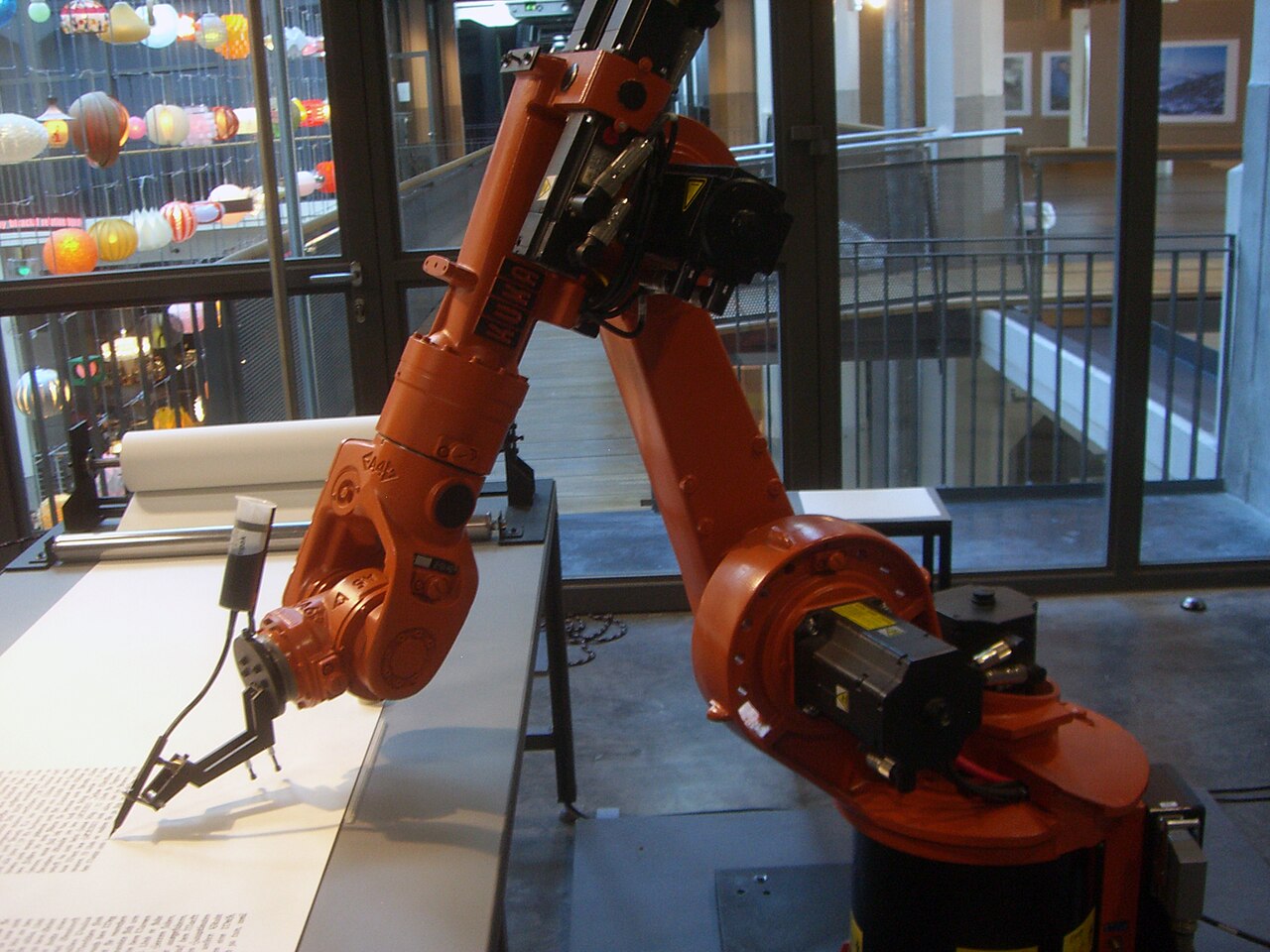
Who is responsible for what
The robot maker warrants the arm as a product. The integrator warrants the system: that these parts, in this cell, make your product at the agreed rate — which is why the integrator, not the arm vendor, owns the safety risk assessment for the installed cell and the acceptance criteria in the contract. The factory owns the inputs: accurate part data, honest cycle-time requirements, utilities and access. Most failed projects can be traced to one of these three owners being assigned a duty that was never actually theirs. US integrator Acieta is a typical example of the species in the directory: a company whose product is not a robot but working robotic systems, delivered across many robot brands.
When you do not need an integrator
Not always. A single collaborative robot on a simple, low-risk task — machine tending with light parts, a palletising cell with standardised boxes — can be within reach of a factory's own engineering team using the robot maker's application kits, especially where the maker or a distributor provides commissioning support. The integrator earns its fee where tasks multiply, safety cases get serious, takt time is tight, or several machines and systems must behave as one. Knowing which side of that line your project sits on is the first honest automation decision.
The hybrid middle path
Between full integration and full self-deployment sits a hybrid model that suits many first projects: the factory's own team installs and programmes the robot using maker kits, while an integrator is engaged for the parts where independence matters — the safety risk assessment, the acceptance-test design, and a commissioning review. This buys outside rigour exactly where liability and sign-off live, without paying project prices for work the in-house team can genuinely do. It also builds the relationship that matters later: when the second, harder cell arrives, the integrator already knows your floor, your parts and your people. Many long-running integrator relationships in the directory began as one scoped engagement of exactly this kind.
Frequently asked questions
What is the difference between a robot manufacturer and a system integrator?
The manufacturer designs and builds robots as products — the arms, controllers and standard options. The integrator buys those products and engineers them into a working system for a specific factory task, adding fixtures, conveyors, vision, safety systems and software, then installing and commissioning the cell. Most factories buy the outcome from an integrator; the robot inside is one component of what the integrator delivers and warrants.
How are system integrators usually paid?
Integration is normally sold as a project: a fixed or staged price for design, equipment, build, installation and commissioning, with payments tied to milestones such as order, factory acceptance and site acceptance. Service and spare-parts agreements may follow separately. Because the integrator carries system-level performance risk, its price includes engineering contingency that a pure equipment quote does not — comparing the two line by line without that in mind misleads.
Do small collaborative robot installations need an integrator?
Often not. A single cobot doing a simple, low-risk task can frequently be deployed by the factory's own engineers using the maker's application kits, sometimes with distributor support for commissioning. An integrator becomes important when the cell grows — multiple stations, serious safety cases, tight cycle times, or integration with existing line systems. The decision should follow task complexity and risk, not robot size alone.
How do I choose a system integrator?
Look for references on tasks like yours rather than logos in general; ask who specifically will engineer and commission your cell; check how they handle safety documentation and acceptance testing; and confirm their service response model after sign-off. The directory's system integrators category — 81 companies as of 10 November 2026 — is a practical starting list, and detailed requirements can be posted through the procurement request channel for structured replies.