
Short answer: in most robot cell projects, the arm itself is well under half the installed cost. The rest is everything that makes the arm useful and legal: end-of-arm tooling and fixtures, safety systems and the risk assessment behind them, controls and electrical work, programming and commissioning time, site modifications, and training and documentation. Budgeting from the arm's price alone is the most common reason automation projects overrun; budgeting by cost block, with a contingency for the unknowns a site survey reveals, is how integrators and experienced buyers avoid it.
The blocks, one by one
- Tooling and fixtures. The gripper or process tool, plus the fixtures that present parts to it repeatably. Custom fixtures are engineering projects in their own right, and part variation is the silent budget-eater: every variant can mean another fixture or another tool change.
- Safety. Fencing, light curtains or scanners, interlocked doors, and the formal risk assessment that decides which of them you need. Safety is a design output, not a shopping list — our guide to what system integrators actually do shows where this work sits in a project.
- Controls and electrical. The cell controller, PLC integration, safety circuits, cabling, and the interface to your existing line controls and IT. Older plants should expect surprises here; a site survey exists to find them before the quote hardens.
- Programming and commissioning. Skilled hours, and usually the most underestimated block. Robot programming, PLC work, vision tuning, cycle-time optimisation and the production trials all draw on it — and it expands every time the process changes during the project.
- Site works. Foundations and floor work, power and air drops, moving existing equipment, and the production downtime of installation itself.
- Training, documentation and spares. Operator and maintenance training, documentation in the language your team works in, and a starter spares package. Cheap to buy at project time, expensive to improvise later.
Why quotes for the same cell differ so much
Two integrators quoting the same arm and the same task can land far apart because they have made different assumptions about the blocks above: how much part variation the fixtures must absorb, what the risk assessment will demand, how much commissioning the process really needs, and how much contingency the site works carry. A cheap quote is often a set of optimistic assumptions rather than a bargain. The comparison question is therefore not "why is your total higher" but "show me your assumptions per block" — the honest integrator can; the optimistic one discovers them later, on your budget. Buyers can use the directory's system integrators category (81 companies as of 10 November 2026) to build a comparison set, and post the task through the procurement request channel to receive quotes structured the same way.
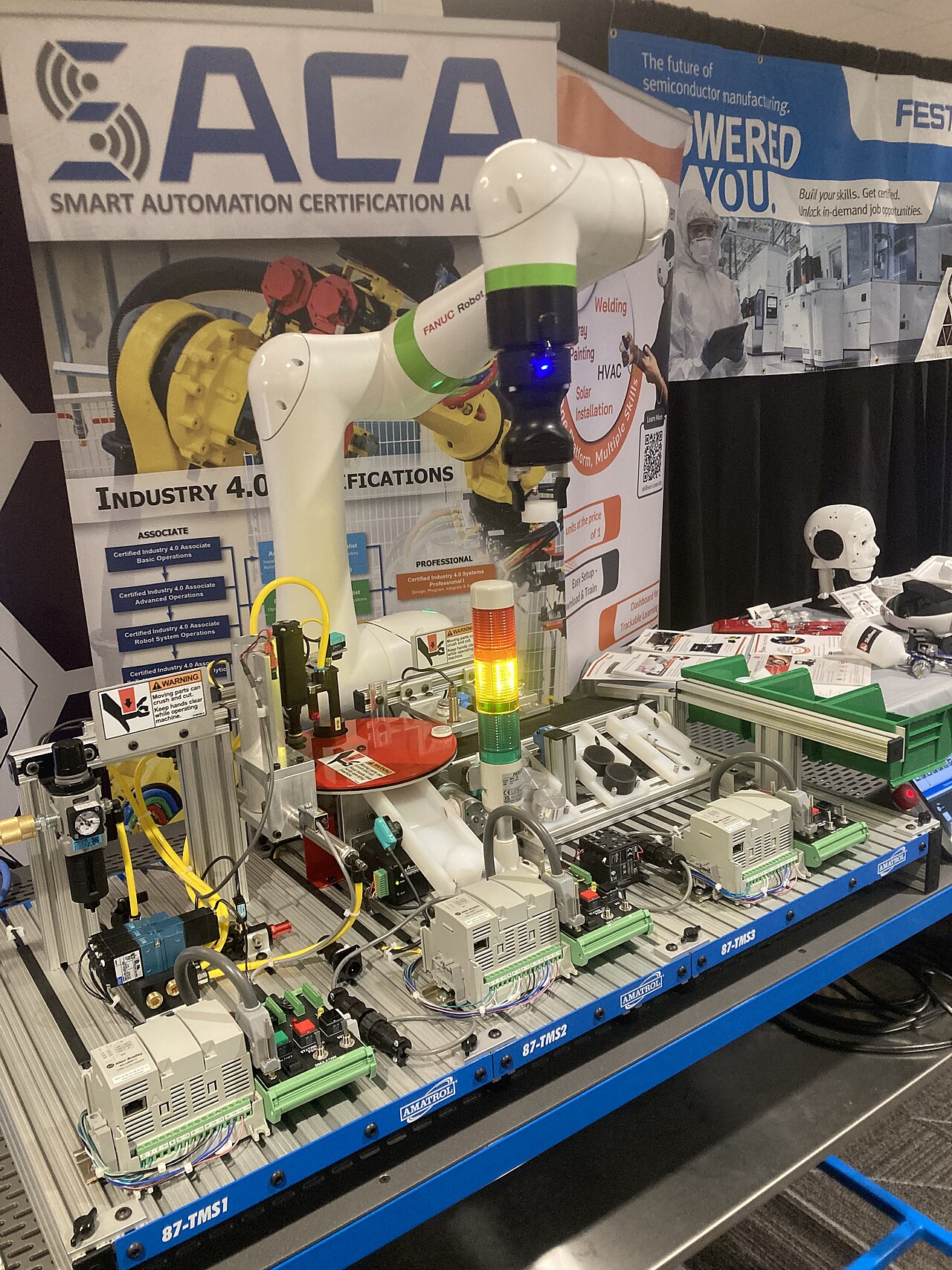
Budgeting rules that survive contact with reality
- Budget by block, with a named owner for each assumption. If nobody owns the fixture-variation assumption, it will be paid for twice.
- Hold a real contingency for site works and commissioning. These are the blocks that grow; experienced buyers protect them rather than spreading a thin margin everywhere.
- Price the downtime. Installation during a planned shutdown is a different project from installation against live production.
- Keep the acceptance criteria in the budget conversation. What the cell must demonstrate — cycle time, quality, uptime over a trial period — drives how much commissioning time is enough.
And after go-live
The installed total is not the final total. Cells consume money after acceptance: preventive maintenance and recalibration, wear parts in the tooling, software updates and licence renewals, and the occasional re-teach when products change. These running costs are modest next to the project budget, but they belong in the business case from the start — a cell whose payback calculation ignores them is flattering itself. Ask integrators what a typical year-two service visit covers and costs in structure, if not in figures, before you sign.
The arm is the quotable part, which is why it dominates brochures. The cell is the working part, and its price is written in fixtures, safety, controls and hours. Budget for the cell, and the arm takes care of itself.
Frequently asked questions
How much of a robot cell's cost is the robot arm itself?
Usually well under half of the installed total, and often much less. The remainder is end-of-arm tooling and fixtures, safety systems and risk assessment, controls and electrical integration, programming and commissioning hours, site works, and training and documentation. The exact split varies with the application, but budgeting from the arm price alone is the classic cause of automation overruns.
Why do integrators quote very different prices for the same cell?
Because the robot is the only block they price identically. Quotes diverge on assumptions about fixture complexity and part variation, what the safety risk assessment will require, how much commissioning the process needs, and how much contingency the site works carry. Comparing assumptions block by block reveals whether a low quote is efficient or merely optimistic.
What is the most underestimated cost in a robot cell project?
Programming and commissioning time. It expands whenever the process changes during the project, whenever part variation is worse than assumed, and whenever cycle-time targets need tuning on the real line. Site works are the other frequent surprise, especially in older plants where electrical and floor conditions differ from the drawings.
How should a first-time buyer structure a cell budget?
Break the budget into blocks — tooling and fixtures, safety, controls and electrical, programming and commissioning, site works, training and spares — assign an owner and an assumption to each, hold a genuine contingency against site works and commissioning, and price installation downtime explicitly. Then compare integrators on their per-block assumptions, not just their totals.