
Short answer: audit the production system, not the presentation. Walk the line in process order, check that work in progress matches the volumes the supplier claims, inspect incoming-goods testing and final test rigs, and read the traceability paperwork for one specific unit from order to shipment. A factory that is real, repeatable and documented passes these checks in an afternoon; a trading operation wearing a factory's clothes fails them just as fast.
Start with the line, not the showroom
Every serious supplier has a polished meeting room and a sample unit. Ask to begin on the floor instead, and walk the process in the order material actually flows: goods inwards, storage, machining or assembly, wiring, test, packing. Note what you see without being told: are stations staffed and working, are parts in bins labelled and protected, do partially built units match the product you are buying? A line built around your category looks different from a general assembly shop with one robot in the corner — and a supplier whose claimed monthly volume would require three shifts should not have a silent floor at midday.
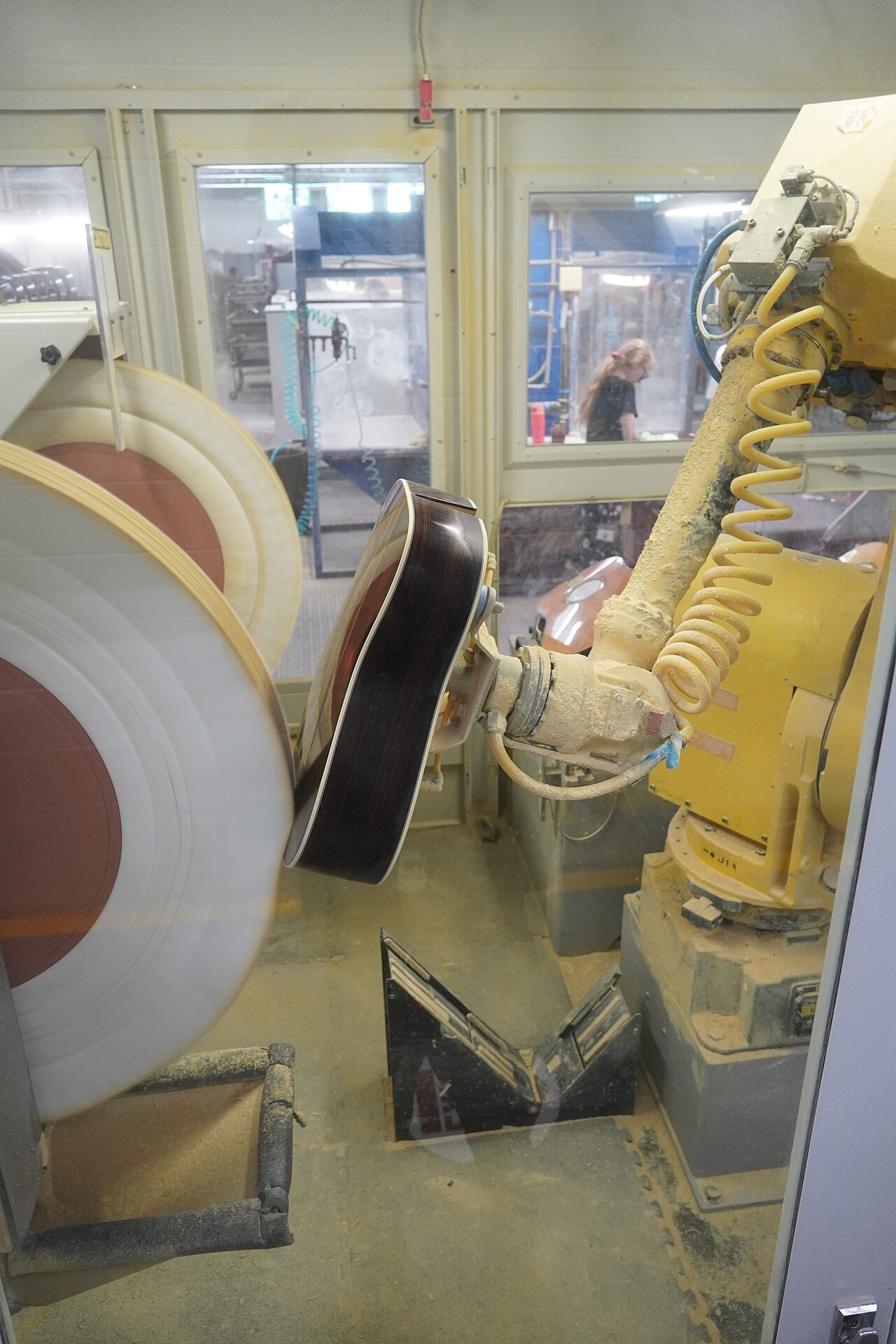
Work in progress tells the truth
Work in progress is the audit's lie detector. Count units in build and compare with the stated lead times and volumes: the numbers should roughly reconcile. Look at the age of the work — dusty part-built units suggest stalled orders or rework loops. Ask which unit is shipping next and to what kind of customer (names are not needed; markets and configurations are). Suppliers with real order flow answer fluently; suppliers inflating capacity change the subject to the showroom.
Incoming inspection and final test
- Goods inwards: is incoming material checked, and against what? Look for measurement tools, sampling records and a quarantine area for rejects. A supplier who does not inspect reducers, motors or castings on arrival will ship you their supplier's problems.
- In-process checks: torque records on bolted joints, wiring test points, calibration stickers on the instruments themselves.
- Final test: every robot should leave with a recorded run-off — motion cycles, load test where relevant, and the results filed against its serial number. Ask to see last week's test records, not a blank form.
- Traceability: pick one finished unit and ask for its paper trail: build record, key component batches, test results, packing photos. The speed and completeness of the answer is the audit finding.
Red flags
- The flagship product is absent from the line, explained by a conveniently timed shipment.
- Test equipment exists but shows no signs of use, or calibration labels are expired.
- Staff cannot say how many units shipped last month, or give wildly different figures.
- Failed units or returns are visible but nobody can describe the corrective-action process.
- Documentation is promised for later rather than produced on the spot.
Talk to people, not only to managers
Ask, politely, to speak with the quality lead and to watch a line operator work. What you are listening for is fluency: can the quality lead describe the last three defects and what changed because of them? Does the operator follow a visible work instruction or improvise? Factories with low staff turnover and long-serving line leads tend to ship consistent product; a floor where nobody has been there a year tells its own story. None of this appears in a capability deck, and all of it predicts your delivery experience.
When you cannot travel
A remote audit is weaker but not worthless. Ask for a live video walk — live matters, because it cannot be edited — following the same route: goods inwards to packing, pausing at test records and one unit's traceability file. Third-party inspection firms can run the checklist in person for a fee that is small against a first order. And structure the commercial terms so the audit is not the only protection: milestone payments and a pre-shipment inspection clause convert findings into leverage. Buyers planning a China trip can pair this checklist with our guide to China's robotics clusters to sequence suppliers by region, and the company directory is the starting point for building the audit list itself.
Frequently asked questions
What is the most important thing to check in a robotics factory audit?
Whether production is real and repeatable: walk the line in process order, reconcile the work in progress with the volumes and lead times the supplier claims, and trace one finished unit's paperwork from build record to test results. Showrooms and sample units prove nothing; the line, the test rigs and the traceability files prove almost everything.
How can I tell if a supplier is a factory or a trading company?
A real factory shows material flow: goods inwards with inspection, parts storage, units in build at several stages, test rigs with signs of daily use, and staff who can state last month's shipments. A trading operation shows a showroom, finished samples it cannot connect to a production line, and hesitation when asked for a specific unit's build and test records.
What documents should a robotics supplier be able to show on site?
Test records filed against serial numbers (including run-off results for recently shipped units), incoming-inspection records for key components, calibration labels and certificates for measurement instruments, and the traceability file for a unit you pick at random — build record, component batches, test results and packing documentation. Speed and completeness of production matter as much as the content.
Can a factory audit be done remotely?
Partially. A live, unedited video walk following the same route — goods inwards, line, test area, one unit's paperwork — catches many of the same findings, and third-party inspection firms can attend in person. Remote checks should be backed commercially with milestone payments and a pre-shipment inspection clause, so anything the camera missed becomes a contractual checkpoint rather than a loss.