
Short answer: Robot quotations differ between suppliers mainly because they are built differently, not because one supplier is simply cheaper. One quote bundles engineering into the arm price; another itemises it. One includes commissioning, training and a year of spares; another lists them as options you will inevitably buy. Before comparing totals, split every quotation into the same five blocks — arm and options, engineering, commissioning and training, warranty and spares, and the commercial terms — and compare block by block. Quotes that resist being split are telling you something.
The arm is only the first line
The robot itself is priced as a base unit plus an options tree: controller variant, software packages (welding, palletising, vision interfaces), cable lengths and dress packs, mounting hardware, teach pendant upgrades. Suppliers differ in what the "base" includes, so two identical model names can anchor different configurations. The end effector, safety equipment and any cell hardware may sit in the same block or elsewhere in the document. Normalise first: list what each quote's arm block physically contains, in writing, before any price discussion. Our companion analysis of what a full robot cell costs maps the blocks beyond the arm itself.
Engineering: where the money hides in plain sight
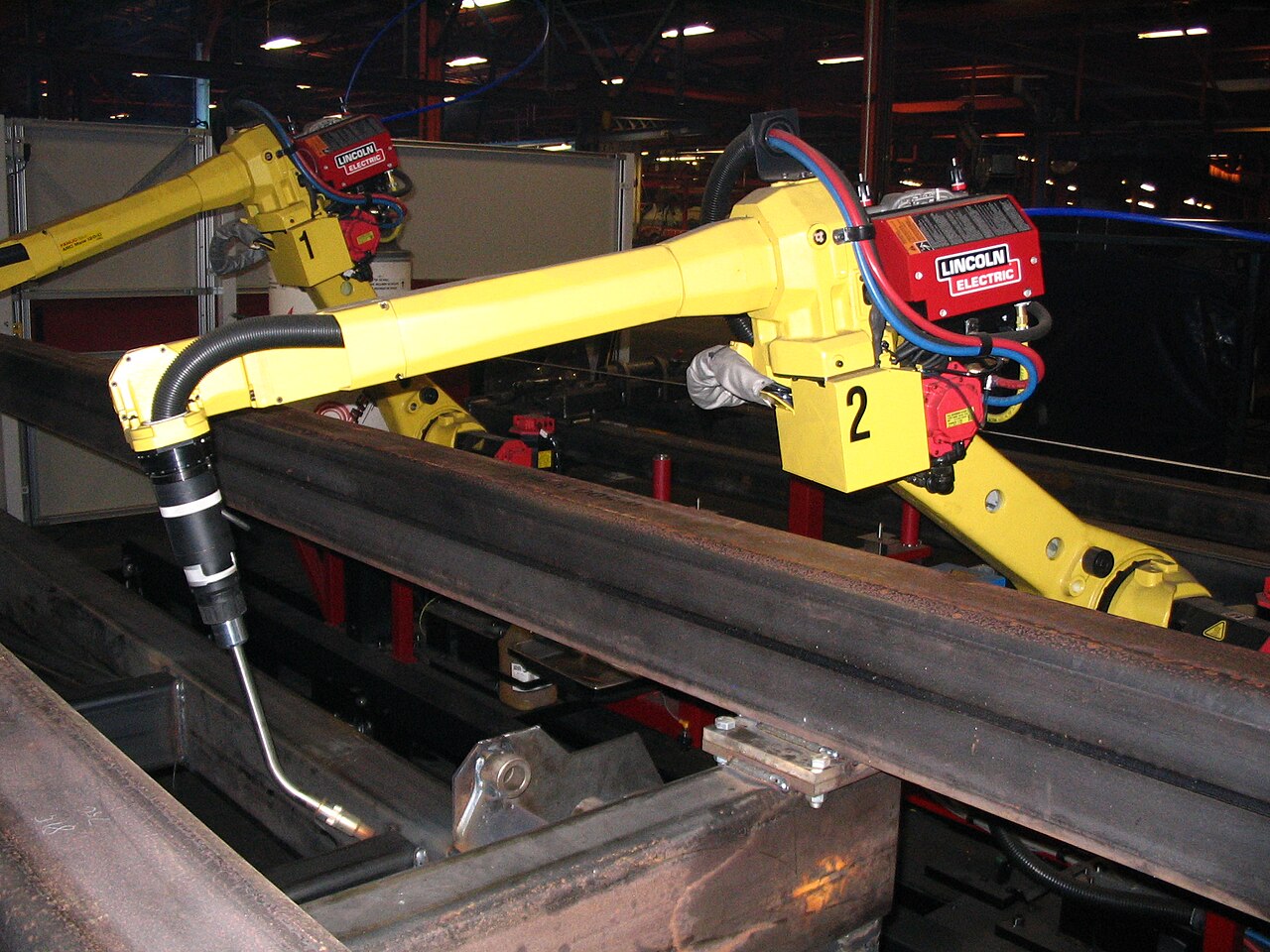
Engineering and programming fees are the most variable block and the least comparable at a glance. They may appear as a lump sum, as day rates with an estimated count, inside the hardware price, or not at all — absorbed into a "turnkey" figure that also conceals how much design time your application was actually allocated. The questions that expose the structure: How many engineering hours are included, at what rate, and what happens when the count is exceeded? Does the figure include simulation, safety design and documentation, or are those separate lines? A quote with transparent engineering you can negotiate is usually safer than a cheaper quote where engineering is invisible, because invisible engineering reappears as change orders.
Commissioning, training and the acceptance boundary
Installation supervision, commissioning, on-site debugging and operator training are frequently optional lines — and rarely optional in reality. Check where each quote draws the boundary of "done": powered on, running parts, or passing an acceptance test at rate with your operators trained? Freight, rigging and site preparation flip between buyer and supplier scope across quotes. These boundary differences, not the arm price, explain many "identical" quotes that are far apart.
Warranty and spares are priced — one way or another
Warranty length, response-time commitments and the first spare-parts kit are commercial choices embedded in the price. A longer, faster warranty is worth money; so is a spares package sized to your downtime cost rather than to a standard list. Compare the blocks explicitly: what fails, who ships what within which time, and what the recommended spares kit costs in each quote. A supplier who prices warranty thinly will meet you again at the first breakdown, at list prices, when your negotiating position is weakest.
Trade terms move the headline without touching the robot
Delivery terms decide who pays freight, insurance and duties, and at which border the price stops being comparable. A quote priced ex-works and one priced delivered-to-your-dock describe different scopes behind similar numbers. Currency, validity period and payment milestones move the effective price as surely as any discount. Normalise every quote to the same delivery point and payment schedule before ranking them — the ranking changes surprisingly often.
Two clauses deserve the same scrutiny as the numbers. The validity period tells you how long the supplier will hold the structure you negotiated — a quote that expires in weeks is a different offer from one held for a quarter. And the price-adjustment clause, increasingly common since the volatile component years, decides whether the agreed figure can move between order and delivery, on what index, and with what cap. Neither clause appears in the headline total; both change what you will actually pay.
The order to negotiate in
Structure first, scope second, price last. Step one: force every quote into the same five blocks and the same delivery terms; suppliers who cooperate have nothing to hide. Step two: negotiate scope inside blocks — engineering hours, training days, spares depth — where adjustments cost the supplier less than headline discounts and are therefore easier to win. Step three: only then press on price, block by block, with the normalised table in front of both parties. Buyers who start at the total usually end up buying the quote that hid the most, at a small discount.
Frequently asked questions
Why do quotations for the same robot differ so much?
Because their structures differ. Suppliers vary in what the base price includes, whether engineering is itemised or bundled, where commissioning and training sit, how warranty is priced, and which delivery terms apply. Normalising quotes into identical blocks usually explains most of the gap.
What are the five blocks to split a robot quotation into?
The arm and its options; engineering and programming; installation, commissioning and training; warranty and spare parts; and the commercial terms (delivery point, currency, payment milestones). Compare suppliers block by block rather than total by total.
How can engineering fees hide in a quotation?
They may be bundled into hardware prices, estimated as uncapped day rates, or folded into a turnkey figure that conceals the allocated hours. Ask how many hours are included, at what rate, what simulation and documentation covers, and what happens when the estimate is exceeded.
Does the cheapest normalised quote always win?
Not necessarily. After normalisation, the remaining differences are real scope and risk choices: warranty depth, spares, engineering quality and support reach. The cheapest clean quote is a good buy; the cheapest quote before normalisation usually is not.