
Short answer: Brownfield automation succeeds by sequencing, not by ambition. Assess what the existing equipment can actually connect to, automate first the station where the return is clearest and the interfaces are kindest, phase the work into planned downtime, and add the data collection the old line never had. The alternative — redesigning the plant around an ideal line — usually prices itself out of approval, which is why the integrator section of the directory (81 companies as of 10 November 2026) does most of its business in existing buildings.
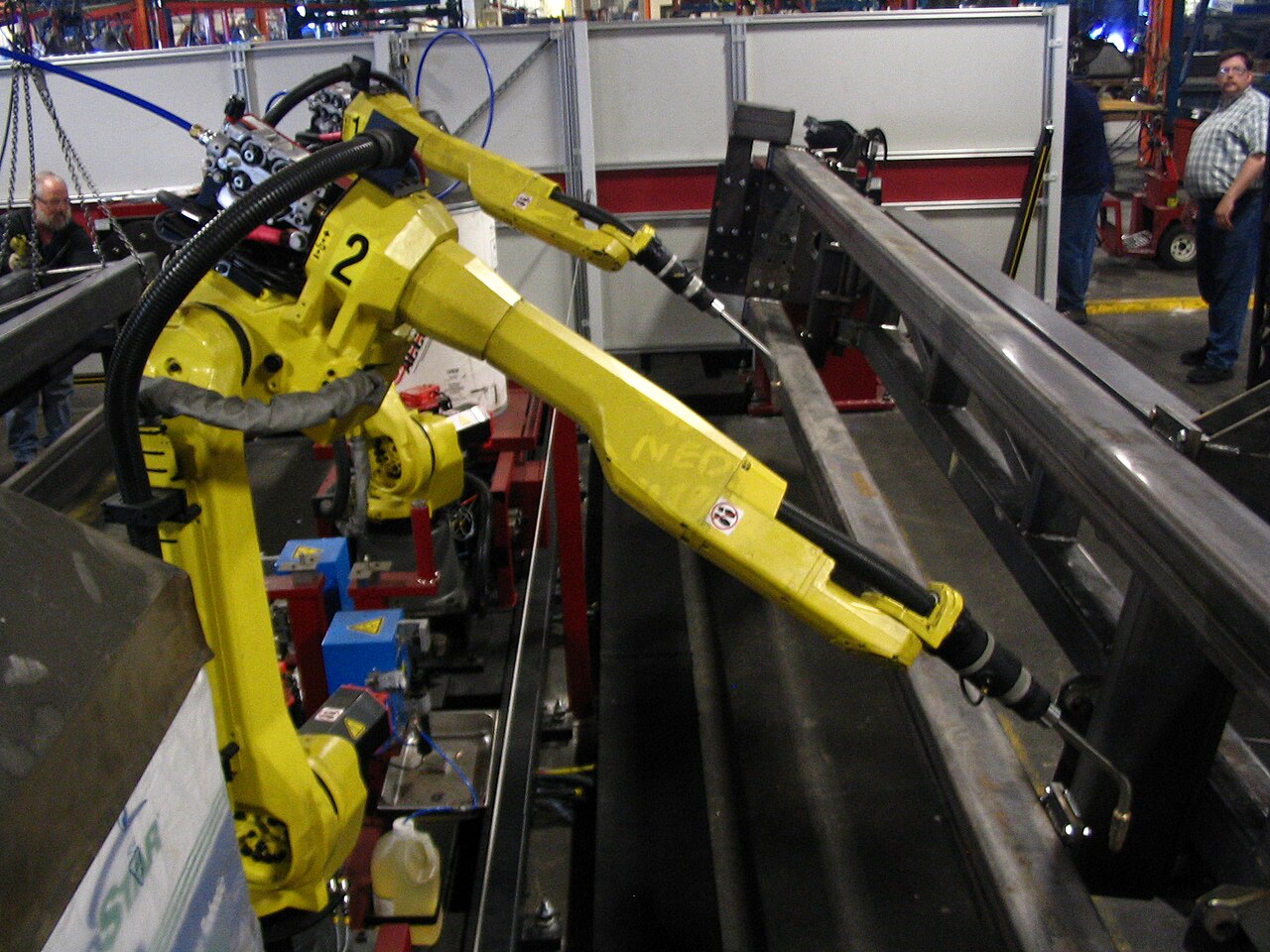
Step one: the interface reality check
Legacy equipment divides into three classes. Machines with modern controllers and open interfaces can join a cell directly. Machines with closed or ageing controls can often be integrated at the signal level — cycle start, part present, fault — through I/O, which is enough for tending and transfer automation. Machines with no usable interface at all are candidates for replacement, for sensor retrofits that observe rather than control them, or for leaving manual while everything around them automates. The survey that sorts the plant's equipment into these classes is the real first deliverable of a brownfield project; our account of what an integrator does describes how that survey feeds a design. Budget follows the survey, not the other way round.
Choosing the first station
The first retrofit station sets the programme's internal reputation, so it should be chosen for certainty, not maximum return. The markers of a good first station: a stable, well-understood process; a clear labour, quality or safety problem the robot visibly solves; interfaces from the friendly classes above; and physical room to install without moving neighbours. A bottleneck station with a chaotic process is the worst first choice however large its theoretical return — it converts the programme's debut into a debugging exercise. Success at station one funds and staffs stations two and three; the sequence is a political fact as much as an engineering one.
Working around a running plant
Brownfield installation happens in the plant's gaps: nights, weekends, planned maintenance shutdowns and line changeovers. The project plan must therefore be built backwards from the production calendar, with prefabrication maximised — cells assembled, wired and tested off-site or in a corner of the hall, then moved into place in a single window — and with a rollback state defined for every window: if the new cell is not running by Monday's shift, the old method resumes. Commissioning methods carry over from new lines, but the tolerance for overrun does not.
The data the old line never collected
Older lines typically cannot answer basic questions — true cycle times, stoppage causes, counts good and bad — because nothing recorded them. Brownfield programmes should treat basic instrumentation (counters, state signals, a simple data record per station) as part of the automation scope, not an IT luxury: it is what justifies the next station with evidence instead of opinion, and it is what the maintenance organisation will run on afterwards. Retrofitting observation onto a machine that cannot be controlled is often the highest-value first spend in the whole plant. None of this instrumentation needs to be elaborate: a reliable count of cycles, stops and causes, kept consistently across shifts, beats an ambitious dashboard fed by estimates — because the retrofit business case is only as good as the baseline it is measured against.
The honest economics
A retrofitted line will rarely match a purpose-built line's elegance, and the comparison that matters is not against the ideal line but against the alternatives actually available: continuing manually, or the capital and disruption of a greenfield replacement that production cannot schedule anyway. Retrofit wins where the building and most equipment have years of life left, where demand does not justify a new plant, and where the process knowledge embedded in the existing line is itself an asset. It loses where the layout is fundamentally wrong for the product mix — in which case automating around it freezes the mistake. The survey's job is to say which situation the plant is in, before the robots arrive.
Frequently asked questions
Can old machines be integrated with new robots?
Usually, at one of three levels: directly, where the machine has a modern open controller; at signal level, exchanging start, ready and fault signals through I/O, which covers most tending and transfer tasks; or by observation only, with retrofitted sensors where no control interface exists. A site survey sorts the equipment into these classes before money is committed.
Which station should a factory automate first?
Not the biggest prize — the surest one. A stable process with a visible labour, quality or safety problem, friendly interfaces and room to install. The first station's success is what funds and legitimises the rest of the programme.
How is installation done without stopping production?
By building the project plan around the production calendar: cells are prefabricated and tested off-line, installed inside planned downtime windows, and every window has a defined rollback so the old method resumes if the new cell is not ready for the next shift.
Retrofit or build a new line — how should a plant decide?
Compare against the options that actually exist. Retrofit wins when the building and most equipment have useful life left and production cannot be interrupted for a rebuild. It loses when the layout itself is wrong for the product mix; automating then would freeze a bad layout in place.