
Short answer: yes, humanoid robots are working in real warehouses and factories in 2026 — but as pilots and bounded deployments, not as general-purpose labour. The publicly documented cases are specific: Figure AI's Figure 02 humanoid has been trialled at BMW's Spartanburg plant, Agility Robotics has a commercial deployment agreement with GXO for its Digit robot, and Unitree sells its G1 as a development platform that labs and pilot lines actually run. Tesla describes broader production ambitions for Optimus, but those remain company-stated goals. Everything beyond that pattern — a named site, a bounded task, a human support structure — should be treated as marketing until proven otherwise.
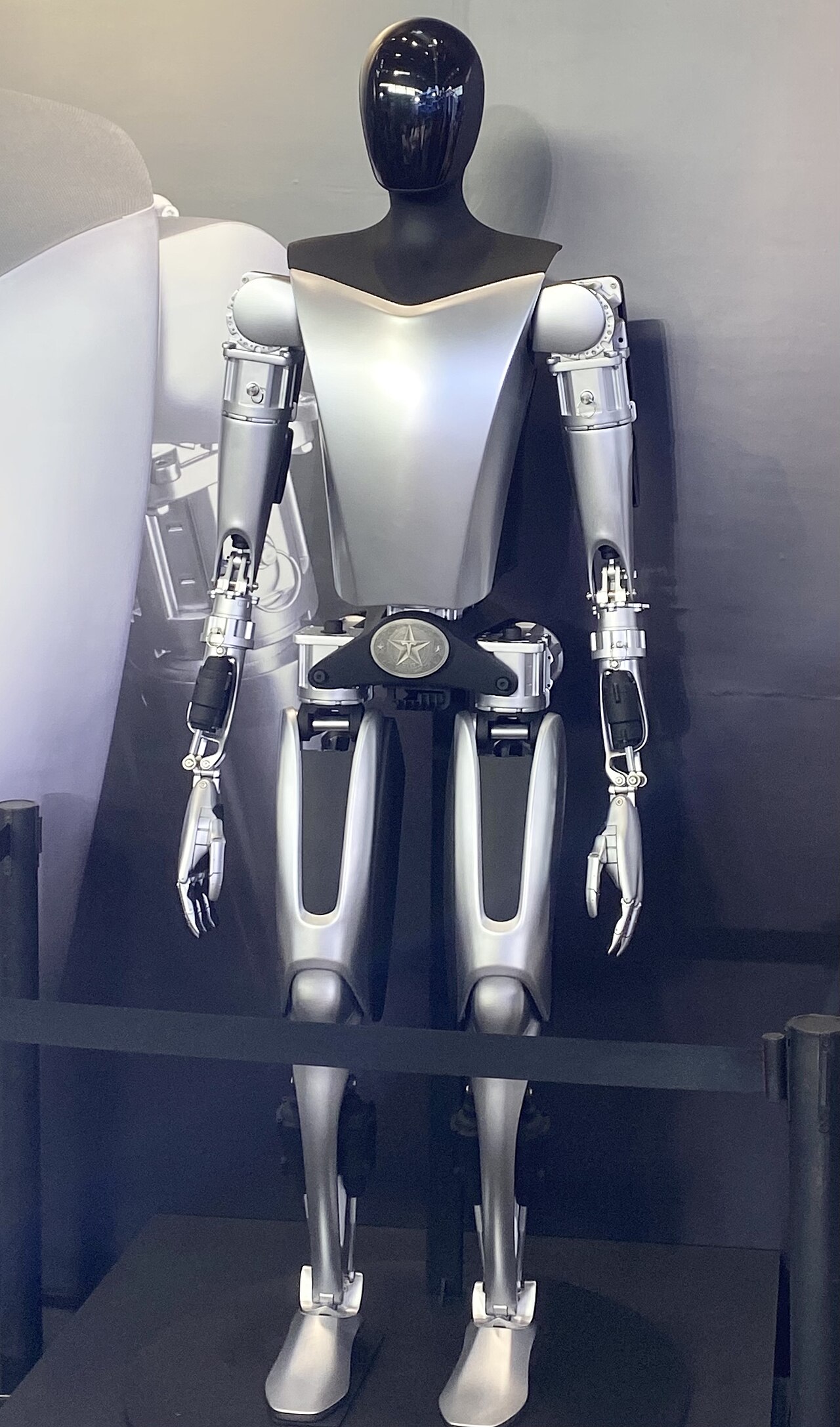

What is actually deployed today?
Three deployment shapes account for nearly everything real. The first is the car-plant trial: a humanoid placed on a narrow, repeatable task — moving parts or materials between stations — inside a factory whose owner publicly confirms the trial. Figure's work with BMW is the best-known example. The second is the logistics agreement: Agility's Digit, built specifically for tote and case handling, operating under a commercial agreement with a logistics operator rather than a one-off demo. The third is the development platform: machines such as Unitree's G1, bought by research groups and company R&D teams to build skills on. These are genuinely useful machines, but the buyer is purchasing a platform to develop on, not a finished worker.
The category is already broad. In the GlobleMatch directory, complete robots and platforms is the largest category, with 233 companies listed as of 10 November 2026 — and the humanoid names buyers ask about, including Figure AI and Agility Robotics, sit inside it alongside conventional machines that do most of today's actual work.
Why humanoids at all — and where wheels still win
The honest argument for the human form factor is environmental: warehouses and factories were built around human reach, human stairs and human tools, so a machine shaped like a person can, in principle, slot into existing work without rebuilding the building. The honest argument against is throughput. For moving goods along predictable routes, wheeled mobile robots and conveyors are faster, cheaper per trip and far more proven — which is why the first paying humanoid jobs are the awkward leftovers: mixed tote handling, machine tending, and tasks in spaces that were never designed for a conveyor. Expect the two form factors to divide work for years rather than one replacing the other.
Five questions that separate a pilot from a press release
- What is the task cycle time against a human's? A humanoid that performs a task at a third of human speed may still be worth piloting — but you should know the number before, not after.
- How much remote assistance is involved? Many systems are supervised or occasionally guided by human operators. That is a legitimate design — our article on teleoperation and data collection explains why — but the intervention rate belongs in the contract conversation.
- What does a full shift look like? Battery life, charging time and hot-swap arrangements decide whether one robot covers a shift or merely visits it.
- What is the safety case? A human-scale machine moving among people needs a documented risk assessment, not a reassuring video.
- What exactly is being priced? A unit sale, a lease, and a robots-as-a-service arrangement with uptime commitments are three different products wearing the same metal.
A reasonable expectation for 2026
More paid pilots, in more car plants and logistics sites, on a short list of tolerant tasks — tote movement, machine tending, simple inspection rounds. Continued rapid progress in the underlying models and hands. And continued scarcity of the thing that would change the story: published, multi-month operating data from production floors. Buyers evaluating the category will find our directory of robotics companies a useful map of who is actually shipping, and suppliers ready to be shortlisted can post requirements or respond to buyers through the procurement request channel.
Frequently asked questions
Are humanoid robots actually working in factories today?
Yes — in pilots and bounded deployments rather than as general labour. Publicly documented examples include Figure AI's Figure 02 trial at BMW's Spartanburg plant and Agility Robotics' commercial deployment agreement with GXO for warehouse tote handling. These are real, supervised programmes on narrow tasks; no humanoid is yet doing an open-ended factory job at human pace and reliability.
Which humanoid robots can a company buy or pilot in 2026?
The routes differ by maker. Unitree sells its G1 humanoid as a development platform that research teams and pilot lines can purchase and build on. Figure AI and Agility Robotics work mainly through pilot and partnership arrangements with enterprise customers. Tesla's Optimus is not offered as an external product; Tesla describes it as an internal programme with production goals it has stated publicly.
Why are car factories the first place humanoids are being tested?
Car plants combine the conditions pilots need: high volumes of a few repeatable tasks, existing automation culture and safety systems, engineering staff on site, and parts handling that fits human-scale workstations. A bounded task like moving parts between stations lets a manufacturer measure a humanoid against a known human cycle time — which is exactly the comparison a serious pilot has to survive.
What jobs will humanoid robots take first?
The first paying jobs are the ones that are repetitive, short-cycle and tolerant of a slower pace: moving totes and parts between stations, tending machines, and simple inspection rounds in spaces designed for people. Jobs needing speed, heavy payloads or fine dexterity across varied objects will stay with conventional automation and human workers for considerably longer.