
Short answer: Exoskeletons are two product lines that happen to share a frame. Industrial exoskeletons reduce physical strain in logistics, warehousing and assembly — they are ergonomic equipment, bought like it. Medical exoskeletons support rehabilitation and mobility therapy in clinical settings, bought through clinical pathways. Confusing the two — in expectations, evaluation or budget — is the most common buyer error in this category.
Passive vs powered: the first split
Passive industrial exoskeletons use springs, elastic structures or counterweights to store and return the wearer's own energy: no batteries, no motors, light and comparatively cheap, and limited to assisting specific motions such as bending or holding arms overhead. Powered designs add motors and batteries — more assistance, programmable behaviour, and the full overhead of charging, maintenance and weight. Most industrial deployments to date are passive or lightly assisted, because the winning specification in a warehouse is a device a worker will actually wear for a whole shift. In the medical line the balance reverses: powered assistance is the point of the device.
Industrial use: workstations, not warehouses at random
Industrial exoskeletons succeed at defined workstations: overhead assembly on automotive lines, order picking with repeated bending, loading tasks with sustained postures. The evaluation method is a workstation trial — fit the device to the actual workers, run the actual task for weeks, and measure strain reports, task time and voluntary wear rates. A device that helps in a demonstration but is taken off by the second hour has failed the only test that matters. Both CYBERDYNE and Ekso Bionics — profiled in the directory — operate across the industrial and medical lines, which makes them useful case studies in how differently the two lines are sold and supported.
How industrial trials should be run
A credible industrial trial has a structure: a baseline period measuring the task as it is done today, a fitting and familiarisation period in which wear rates are expected to be low and should not be judged, and then a measurement period long enough to cover the task's real variation — heavy days, understaffed days, the awkward product variant. Vendors confident in their product support this structure and often loan devices for it; vendors who press for a purchase after a twenty-minute demonstration are telling you something. Worker representation matters too: devices introduced with the workforce, with wearers feeding back on fit and sizing, are worn; devices imposed by memo are quietly returned to the charging shelf.
Medical use: a clinical product
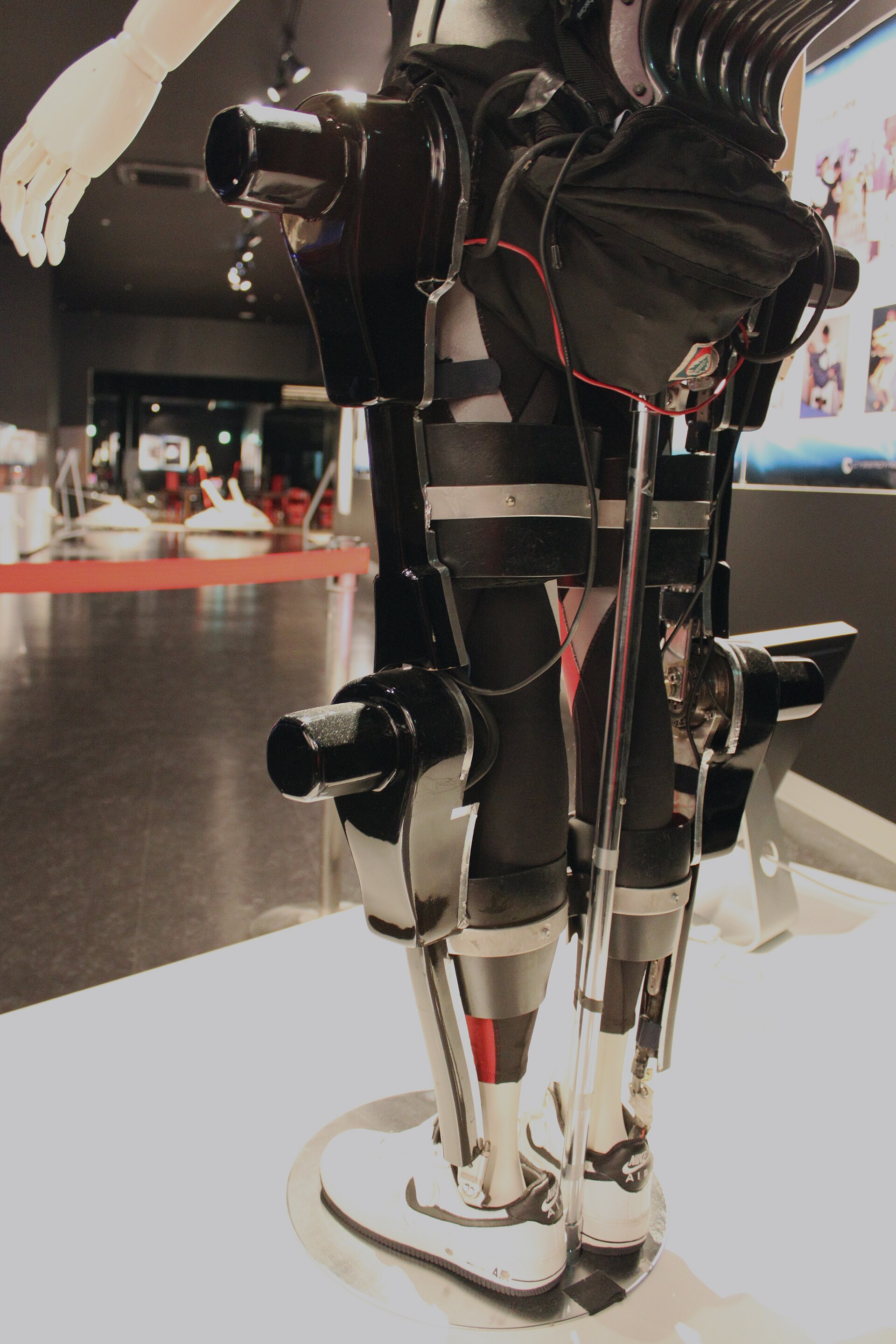
Medical exoskeletons such as CYBERDYNE's HAL are rehabilitation devices: they are prescribed, fitted and used within therapy programmes, supervised by clinicians, and evaluated through clinical processes rather than workplace trials. Buyers in this line are hospitals and rehabilitation centres, and the procurement questions are clinical — patient eligibility, therapist training, session throughput, hygiene between patients and the device's regulatory status in their market. This article deliberately makes no claims about treatment outcomes: that evidence belongs to clinical literature and regulators, not to a buyer's guide, and any supplier conversation should be held to the same standard.
The fitting problem
Wearables have a constraint no other robot category has: the machine must fit a human body, and bodies vary. Sizing ranges, adjustment time, pressure points over a full shift, clothing and PPE compatibility, and hygiene when devices are shared all decide real-world adoption more than assistance torque does. For shared fleets — a pool of devices across shifts — add the logistics: storage, cleaning, assignment and inspection. These are solvable problems, but they belong in the purchase plan, not in the month after delivery. Hygiene deserves its own line in that plan: straps, pads and textiles touch skin and sweat, so shared devices need a cleaning protocol and replaceable contact parts, and clinical devices need the disinfection regime their setting requires. Suppliers should state which parts are consumables, what they cost, and how often they are replaced — an answer that also reveals how seriously the supplier has thought about shared use at all.
Buyer checks
For industrial buyers: trial at the real workstation with the real workers; ask about trial periods and return terms, because fit is empirical; check battery and spare-part support for powered units; and confirm how the device interacts with existing safety assessments for the task. For clinical buyers: verify regulatory status for your market and indication, therapist training requirements, and service arrangements for a device patients depend on. The wider wearable and platform field is listed in the directory's platforms section.
Frequently asked questions
What is the difference between industrial and medical exoskeletons?
Industrial exoskeletons are ergonomic equipment that reduces strain in logistics and assembly work. Medical exoskeletons are rehabilitation devices used inside clinical therapy programmes. They share a frame concept but are bought, evaluated and regulated completely differently.
Are most industrial exoskeletons powered?
No — most industrial deployments use passive designs that store and return the wearer's energy with springs or counterweights. They are lighter, cheaper and need no charging, which is why workers keep them on for a full shift.
How should a company evaluate an industrial exoskeleton?
With a workstation trial: the actual workers, the actual task, for several weeks. Measure strain reports, task time and how often workers choose to wear it. A device removed by the second hour has failed, whatever the demonstration showed.
What is CYBERDYNE's HAL?
HAL is CYBERDYNE's powered exoskeleton line, developed for medical and care applications — rehabilitation and mobility support in clinical settings. It is the best-known wearable robot and is used within supervised therapy programmes.