
Short answer: Construction and mining are automating where labour is scarcest and conditions are worst. Mining is the most mature: autonomous haulage fleets have worked commercially in production mines for well over a decade. Construction is earlier and more fragmented — the wins so far are autonomous retrofits for existing earthmoving machines, layout and surveying robots, and inspection — because every site is different and nothing about a building site stays still.
Mining: the fleet came first
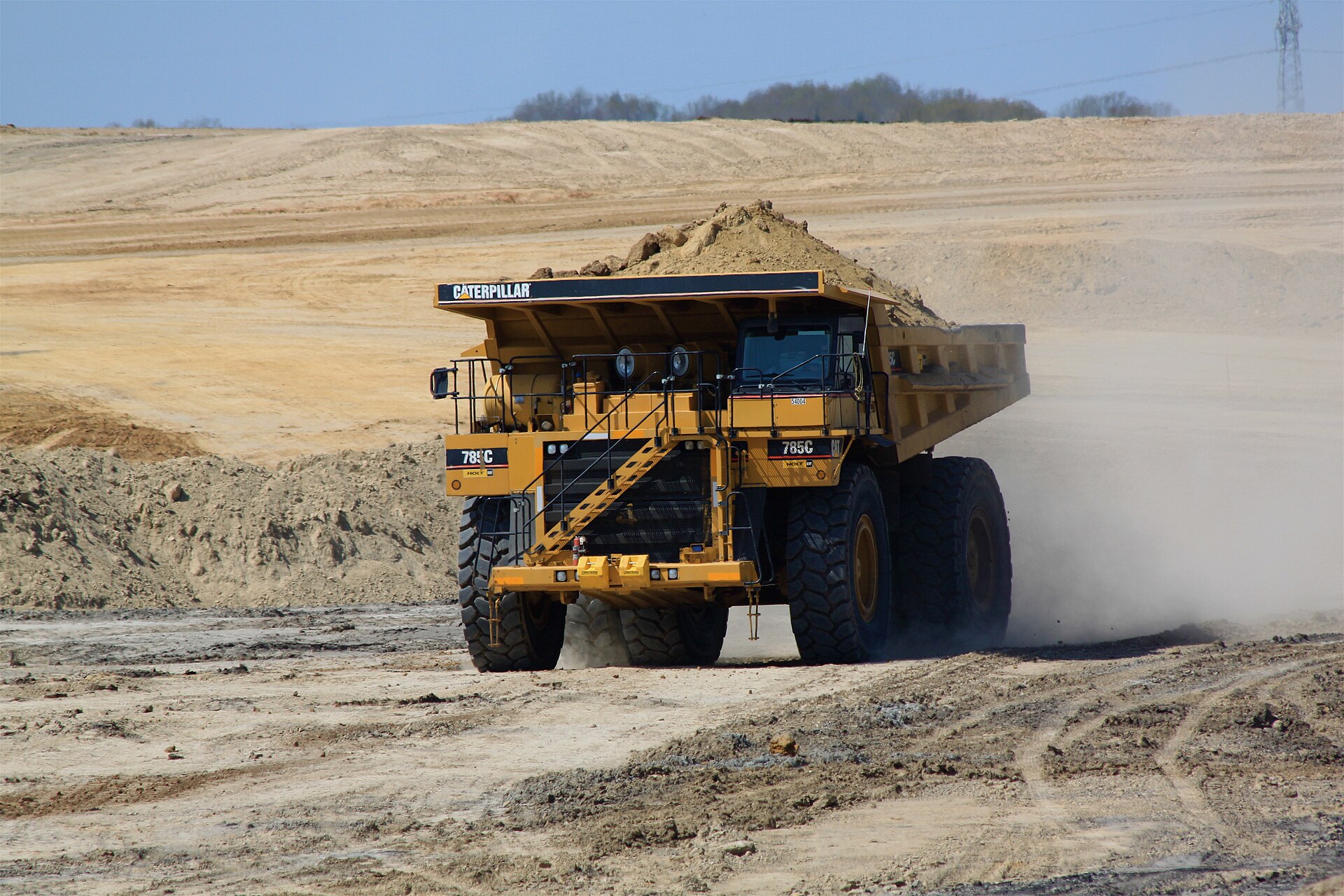
The reference system is Komatsu's FrontRunner autonomous haulage system, in commercial operation at mines since 2008: ultra-class haul trucks drive load-haul-dump cycles without a driver in the cab, dispatched and supervised from a control room. The reasons it worked in mining first are structural. A mine is a closed site with controlled access, fixed haul roads and one repetitive task. The trucks are among the largest line items in a mine's cost base, remote sites struggle hardest to recruit drivers, and removing people from the pit removes them from its hazards. Buyers evaluating fleet autonomy should note what the mine provides that a public road does not: mapped routes, managed intersections and no uninvited traffic.
Retrofitting the machines you already own
Below the mining giants, autonomy mostly arrives as a retrofit. Companies such as Built Robotics, profiled in the directory, build autonomy kits that convert existing construction machines — excavators, dozers, compact track loaders — into remotely supervised autonomous equipment for defined tasks such as trenching and earthmoving. The retrofit logic is economic: the base machine is already bought, maintained and understood by the crew, and the kit adds sensing, compute and drive-by-wire control. The questions to ask a retrofit supplier are about the boundary of the kit: which machine models and years are supported, what the machine does when it loses signal or sensing, and who carries liability when an autonomous machine works beside people.
Construction robots: layout, repetition, inspection
Purpose-built construction robots cluster where the task is geometrically defined. Layout and marking robots print or mark floor plans and positions directly on slabs, turning survey data into physical reference points. Bricklaying and block-laying systems exist but remain sensitive to material consistency and site logistics. Inspection — drones and crawlers checking structures, facades and confined spaces — overlaps with the energy-sector work covered in our guide to inspection robots for energy and utilities. The directory's platforms section lists the manufacturers working in these categories.
The environment is the engineering problem
Dust blinds cameras and coats lidar windows. Vibration loosens connectors and drifts calibration. Sites have dead zones with no connectivity at all, and underground work removes satellite positioning entirely, forcing localisation from onboard sensing and site infrastructure. Any autonomy claim for these sectors should be interrogated at this level: how the system localises without GNSS, how sensors are cleaned and protected, what the machine does — precisely — when perception degrades, and how a human takes control. Suppliers with real deployments answer these questions in operational detail; suppliers without them answer in adjectives.
Supervision is a job change, not a job deletion
Autonomy in these sectors moves people rather than simply removing them: drivers become remote supervisors watching several machines, reporting exceptions and taking control when the system reaches the edge of its envelope. That changes the hiring problem from finding people willing to live at remote sites to finding people suited to screen-based supervision — a different workforce, usually an easier one to recruit and retain. It also creates a new dependency: the control room, its connectivity and its staffing ratios are production equipment, and should be costed and piloted as such.
A pilot path that produces evidence
Start with one bounded task and one machine, on a site you control, with the manual process measured first — cycle times, idle time, incidents and near-misses. Define the supervised-autonomy envelope in writing: geofence, speed, weather limits, exclusion rules for people on foot. Run the pilot through the site's worst week, not its best. If the numbers hold, expand by adding machines to the same task before adding tasks. Procurement requests for this category can be posted through the procurement request channel, which structures the site and task details suppliers need to respond usefully.
Frequently asked questions
What is the most mature use of robots in mining?
Autonomous haulage. Systems such as Komatsu's FrontRunner have operated ultra-class haul trucks commercially in production mines since 2008, running load-haul-dump cycles supervised from a control room. Mines suit autonomy: closed sites, fixed routes and controlled access.
Can existing construction machines be made autonomous?
Yes — retrofit kits add sensing, compute and drive-by-wire control to machines such as excavators and dozers, converting them for defined, supervised tasks. The buyer's questions are which models are supported, what the machine does when sensing or signal is lost, and who carries liability.
Why is construction automating more slowly than mining?
A mine is a stable, closed environment with one repetitive task; a building site changes daily, mixes many trades and has no fixed routes. Construction automation therefore grows task by task — layout, earthmoving, inspection — rather than as whole-site fleets.
What should a first autonomy pilot measure?
Measure the manual process first: cycle times, idle time and safety events. Then run the pilot inside a written operating envelope — area, speed, weather and people-exclusion rules — and judge it on the site's worst week, not a demonstration day.