
The interface is the product
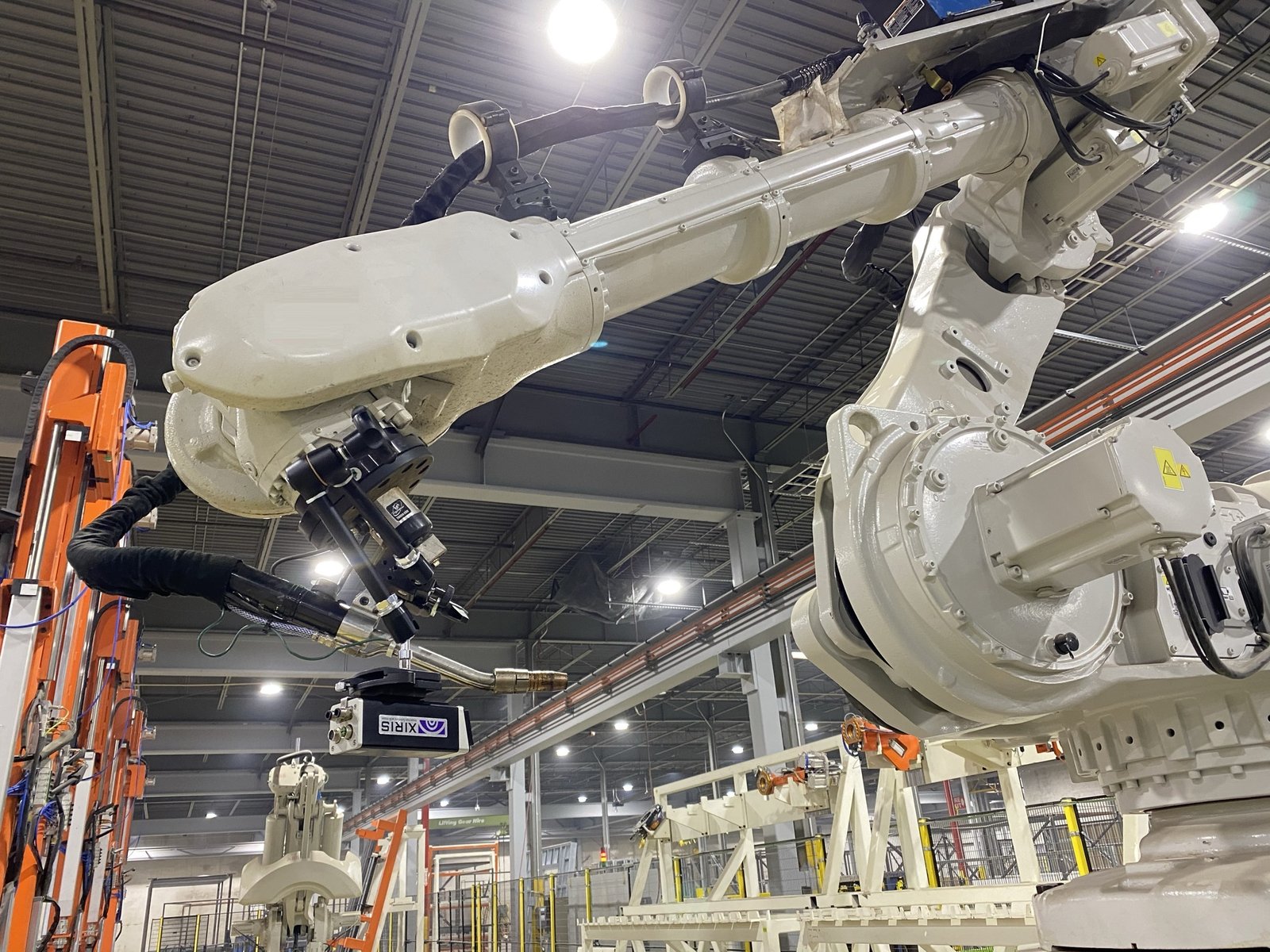
A robot may satisfy its standalone performance specification and still fail to become a dependable part of a production line. Procurement teams therefore need to evaluate the boundaries between robot controller, end effector, safety system, vision, MES, PLC, historian and maintenance workflow. The integration contract is not an accessory to the hardware purchase: it is the mechanism by which the buyer turns a machine into a measurable operation.
The real procurement risk often lives between the robot and the rest of the factory. This article is an editorial evidence protocol — not engineering, legal or safety certification advice.
Why the market data matters, and what it cannot prove
The International Federation of Robotics reported more than 600,000 new industrial robot installations in 2025, up 11%, and a global operating stock of roughly five million. Those are industrial robot statistics, not estimates of software interface compatibility or successful factory integration. China installed 354,000 units; the United States installed almost 38,500 and Japan 36,219. None of these national counts measures how easily a particular robot integrates with a particular facility. Treat market growth as context for vendor discovery, not as evidence of a plug-and-play deployment. Source: IFR press releases.
Define the boundary before soliciting quotes
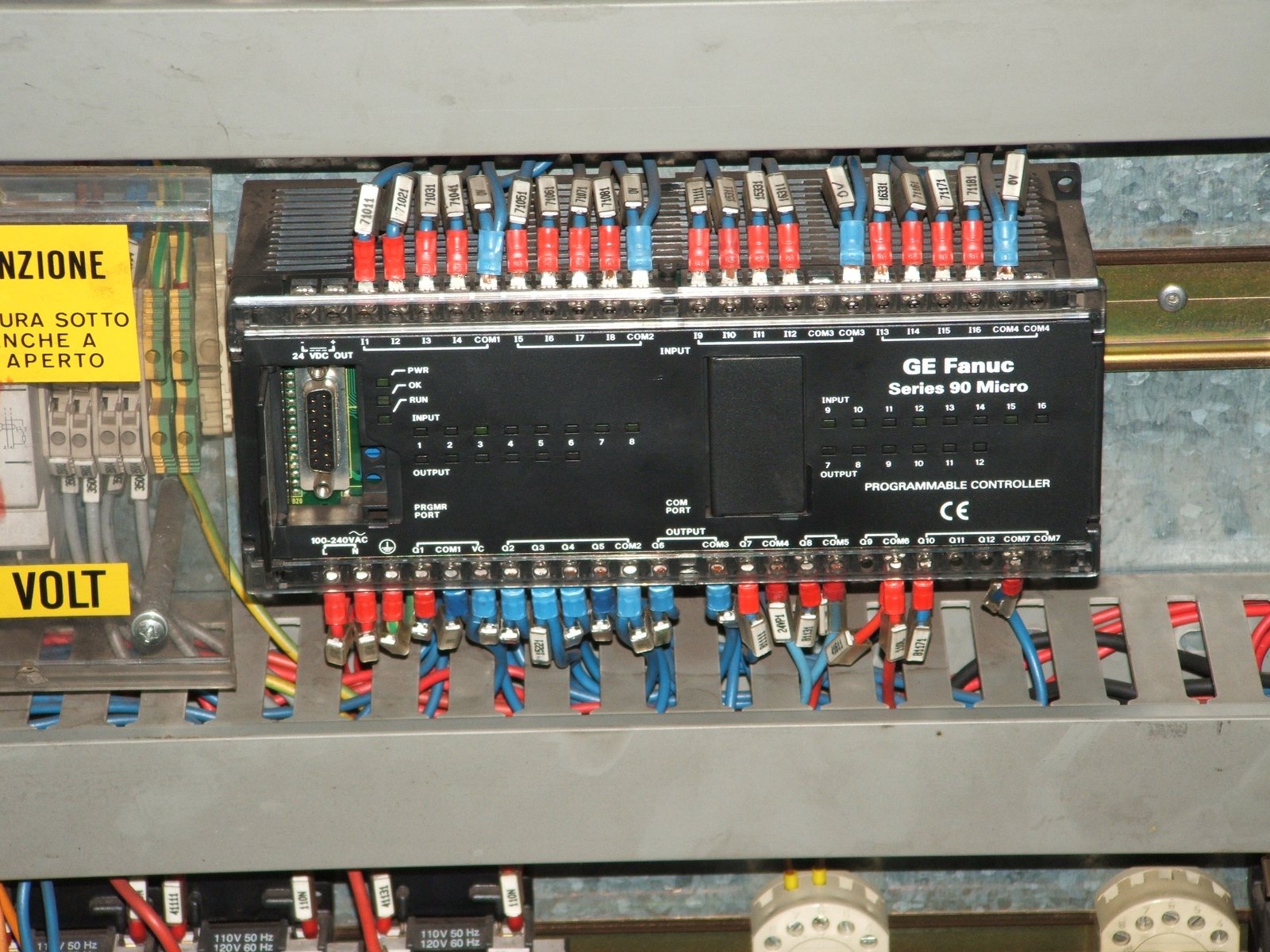
Write an interface inventory before issuing the RFP. Identify each existing asset and its vendor, firmware, interface version, supported transport, data model, update policy, credential owner, network zone and operational owner. List the transactions the robot must execute: job dispatch, part identification, recipe selection, exception handling, quality disposition and completion acknowledgment. Specify which system is authoritative for each transaction. A quote that says "supports OPC UA" or "has a REST API" is insufficient without supported operations, schemas, authentication and error semantics.
Ask for evidence rather than adjectives
Require a versioned interface control document, example messages, a supported-state diagram, a simulator or sandbox, compatibility matrix and a named escalation owner. For each interface, ask the vendor to demonstrate nominal flow, timeout, duplicate event, out-of-order event, controller restart, loss of connectivity and recovery. Record actual test evidence, not a checkbox. NIST identifies communication between robots, sensors and other devices as a major impediment to integration; its interoperability research emphasizes information models, protocols, reference implementations and test tools. That is a research direction, not a guarantee that a commercial vendor implements a particular standard. Source: NIST, robotic systems interoperability and integration.
Separate functional integration from safety validation
A successful data exchange is not evidence that a robot cell is safe. OSHA notes that incidents often occur during programming, maintenance, testing, setup or adjustment. Its technical manual calls for risk assessment at multiple stages and verification of safeguarding. Buyers should require a separately owned risk assessment, safety function validation and documented operating modes. The party responsible for robot application integration must be identified explicitly. OSHA states there are no OSHA standards specific to the robotics industry; other applicable workplace regulations and recognized industry standards still matter. Avoid presenting a generic interoperability test as a compliance certificate. Sources: OSHA robotics overview and OSHA Technical Manual, Chapter 4.
The seven-test acceptance sequence
Test 1: connect every required device with the exact versions proposed for production. Test 2: run the complete production transaction from order to confirmed result. Test 3: deliberately disconnect a dependency and verify safe, predictable fault handling. Test 4: restart each controller and confirm reconciliation of in-flight jobs. Test 5: challenge bad input, duplicate identifiers and late acknowledgments. Test 6: capture traceability records and reconcile them against the buyer's system of record. Test 7: execute a change-control rehearsal: upgrade one component, validate rollback and document responsibility. The sequence is an editorial procurement template, not an official NIST or OSHA certification procedure.
Design a measurable pilot
Define the pilot part family, operating shift, throughput target, scrap/rework tolerance, uptime calculation, planned downtime exclusions, recovery-time limit and data-retention requirement before installation. Make the baseline measurable on the existing process. Evaluate performance at the cell level rather than quoting robot arm cycle time. If a robot is fast but the line stops because job status messages are lost, the business outcome is poor. Track time spent on custom connectors and rework as separately reported implementation costs.
Contract for ownership of the seams
A statement of work should name the owner for each connector, configuration, safety assessment, test artifact, network permission and production support path. Identify which party supplies patches when a PLC, MES or vision system changes version. Ask whether integration scripts and mappings are delivered in a form the buyer can maintain, and whether exit terms allow continued operation without a vendor-hosted control plane. Clarify data ownership, telemetry retention, audit access, remote support privileges and cybersecurity incident escalation. These are proposed commercial terms to negotiate, not universally required clauses.
How to compare two apparently similar suppliers
Use a side-by-side evidence grid with rows for tested interface versions, fault recovery, traceability, safety responsibility, local support, change management, total integration labor and post-acceptance maintenance. Score "not demonstrated" separately from "failed": the former is a procurement evidence gap, not proof of technical incapability. Do not infer that a vendor is unsuitable because a public website lacks documentation; ask the vendor for the materials under NDA if necessary. Record source dates because compatibility claims change with firmware releases.

A practical GlobleMatch discovery workflow
A buyer can first shortlist robotics OEMs, integrators, perception suppliers and industrial software vendors by application and geography. The next step is a structured request for evidence, not a popularity ranking. Supplier profiles should distinguish independently sourced facts from supplier-submitted claims. GlobleMatch should not represent itself as having certified integration, verified safety or validated an installation unless that review actually occurred. A transparent unknown field is more useful than a fabricated green check.
Decision gate
Approve a pilot only when the process owner, controls engineer, IT/OT lead, safety lead and procurement owner have signed off on a shared test plan and responsibility matrix. Defer production acceptance until critical failure scenarios have been exercised on the installed configuration and remediation is documented. This approach makes a vendor comparison more rigorous while acknowledging that factory context, not market share alone, determines deployment success.
Related directory categories
Browse the categories this analysis points to in the GlobleMatch directory: robotics system integrators, machine vision suppliers, end effectors and robotics software and AI suppliers.
Primary-source fact register
| Claim | Evidence | Publisher / date | Editorial qualification |
|---|---|---|---|
| 2025 global industrial installations exceeded 600,000 (+11%); operating stock about five million | ifr.org | IFR, 2026-09-24 | Rounded, industrial robots only; do not combine with service robot shipments |
| China 354,000, United States almost 38,500, Japan 36,219 in 2025 | ifr.org | IFR release, 2026-09-24 | United States is approximate; no unsupported exact figure |
| Integration impeded by incompatible robot/device/sensor communication; information models and test tools studied | nist.gov | NIST project page, accessed 2026-11-13 | Describes research objectives, not a vendor guarantee |
| Non-routine tasks are prominent robot safety risk contexts; no OSHA robotics-specific standards | osha.gov | OSHA overview, accessed 2026-11-13 | Other applicable regulations and standards remain relevant |
| Multi-stage risk assessment, safeguarding and verification guidance | osha.gov | OSHA Technical Manual, accessed 2026-11-13 | Guidance; consult qualified safety professionals |
| ISO 10218 industrial robot/system integration standards are listed | osha.gov | OSHA standards resource, accessed 2026-11-13 | Verify edition and applicability separately |
All quantitative market statements are explicitly attributed to IFR and keep approximate precision. The acceptance sequence and contract suggestions are original editorial recommendations, not attributed to NIST or OSHA. No company-specific product capability, pricing, certification, customer, or compatibility claims are made.