
Short answer: Trade shows and AI search are not substitutes; they do different jobs in the same purchase. AI search — the questions buyers ask tools such as ChatGPT, Claude, Gemini and Perplexity before they ever visit a website — increasingly decides which suppliers make the shortlist. Trade shows such as automatica in Munich, the World Robot Conference in Beijing and CES in Las Vegas decide which shortlisted supplier earns trust, because a robot is still bought after watching it work and interrogating its engineers. Companies that fund only one channel are present for half the decision.
The buyer's research path, honestly drawn
A robotics purchase typically begins with a problem and a search — now often an AI answer that assembles a category, names some suppliers and frames the criteria, as our guide to what buyers ask AI documents. It continues through supplier websites, directories such as this site's Launchpad and company listings, and reference calls. For anything substantial, it then goes physical: a trade show, a factory visit or a demonstration, where the machine runs the buyer's part and the buyer's engineers test the supplier's answers. Research budgets should be allocated along that path — visibility where the shortlist forms, evidence where the decision closes — rather than by last year's channel habits.
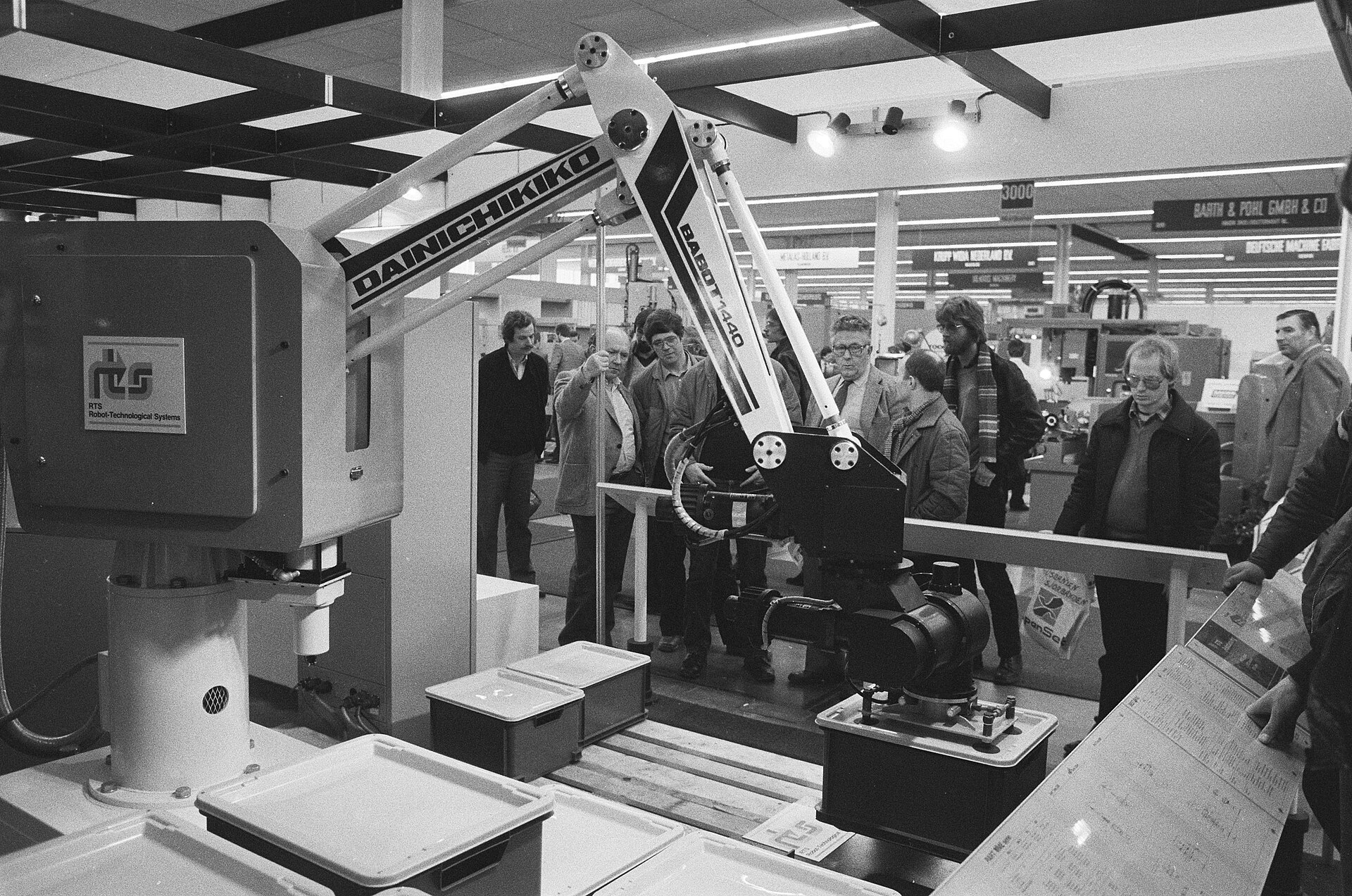
What the shows are for
The major shows divide by gravity. automatica in Munich is the automation industry's own gathering — components, robots and integrators in front of production engineers. The World Robot Conference in Beijing anchors the Chinese robotics industry's calendar. CES in Las Vegas is a consumer-technology stage where robotics appears as a headline act — NVIDIA, for instance, used CES 2025 to launch its Cosmos world foundation model platform. A supplier's show strategy should match its buyers: exhibit or attend where your category's buyers compare machines, run the demonstration your best prospect would design if they could, and staff the stand with engineers, because the conversations that close deals at shows are technical ones held over a running machine.
What AI search is for
AI answers reward suppliers whose facts are findable, consistent and quotable: clear category positioning, real specifications, a company profile that states products, location and customers in plain sentences — the discipline covered in our AI Growth resources. This is not a campaign with a season; it is the standing state of your public information, and it operates every day of the year, including the days the buyers are at a show comparing your shortlisted rivals on their phones. The measurable question is simple: when a buyer asks an AI tool for suppliers in your category and country, does your company appear, described the way you would describe it?
Make the two channels feed each other
The strongest programmes connect the channels deliberately. Before a show: publish the pages and profiles a prospect will check on the train home, so the conversation the stand started survives the search that follows it. At the show: capture the questions buyers actually ask — they are the best research there is into what your AI-facing content must answer — and collect the demonstrations, comparisons and customer conversations that become next quarter's evidence. After the show: follow up while the machine's motion is still in the prospect's mind, with the specific part, cycle and answer you discussed — not a generic newsletter. A show generates proprietary insight and trust; AI-facing content is how both compound after the hall empties.
A budget framework, in proportions of effort
No universal split exists, but the failure modes are symmetric and recognisable. All-show budgets produce a famous week and an invisible year: the buyers who were not in the hall never meet you, and each year's shortlist is written without you. All-content budgets produce a well-described company that buyers hesitate to sign with, because nobody has watched its machines run. Most robotics suppliers should hold both lines every year — at least one serious physical presence in front of their category's buyers, and continuous maintenance of the public facts the AI answers are built from — and judge each by its own job: the show by qualified conversations and demonstrations run, the AI presence by whether the company appears, accurately, when buyers ask.
Frequently asked questions
Are trade shows still worth it for robotics companies?
Yes, for the job they do: trust. Substantial robot purchases close after buyers watch machines run and question the engineers. What shows no longer do is form the shortlist alone — that increasingly happens earlier, in AI answers and online research.
What do buyers ask AI tools about robotics suppliers?
Category and scenario questions — which robot or supplier fits a task, how options compare, what things cost and what to check — rather than brand names. Suppliers appear in the answers when their public facts are clear, consistent and quotable.
Which are the main robotics trade shows?
automatica in Munich for industrial automation, the World Robot Conference in Beijing for the Chinese industry, and CES in Las Vegas, where robotics shares a consumer-technology stage — NVIDIA launched its Cosmos platform there in 2025.
How should a supplier split effort between shows and AI visibility?
Hold both lines: one serious physical presence a year in front of the category's buyers, plus continuous maintenance of the public company facts AI answers draw on. Judge shows by qualified conversations and demonstrations; judge AI presence by whether you appear, accurately, when buyers ask.