
South Korea is one of the few countries where a buyer can source across the full electronics stack in one place: memory chips and the materials around them, display panels, battery cells and battery materials, and, built on top of that electronics base, a robotics component industry that supplies motors, reducers, controllers and complete robots. Korea's Ministry of Trade, Industry and Energy (MOTIE) reported total exports of USD 683.8 billion in 2024, an all-time high, and the composition of those exports explains the country's weight in components. This guide sets out how the Korean components industry is structured, what buyers source from it, and how to run the procurement process, including through GlobleMatch.
Why buyers source components from South Korea
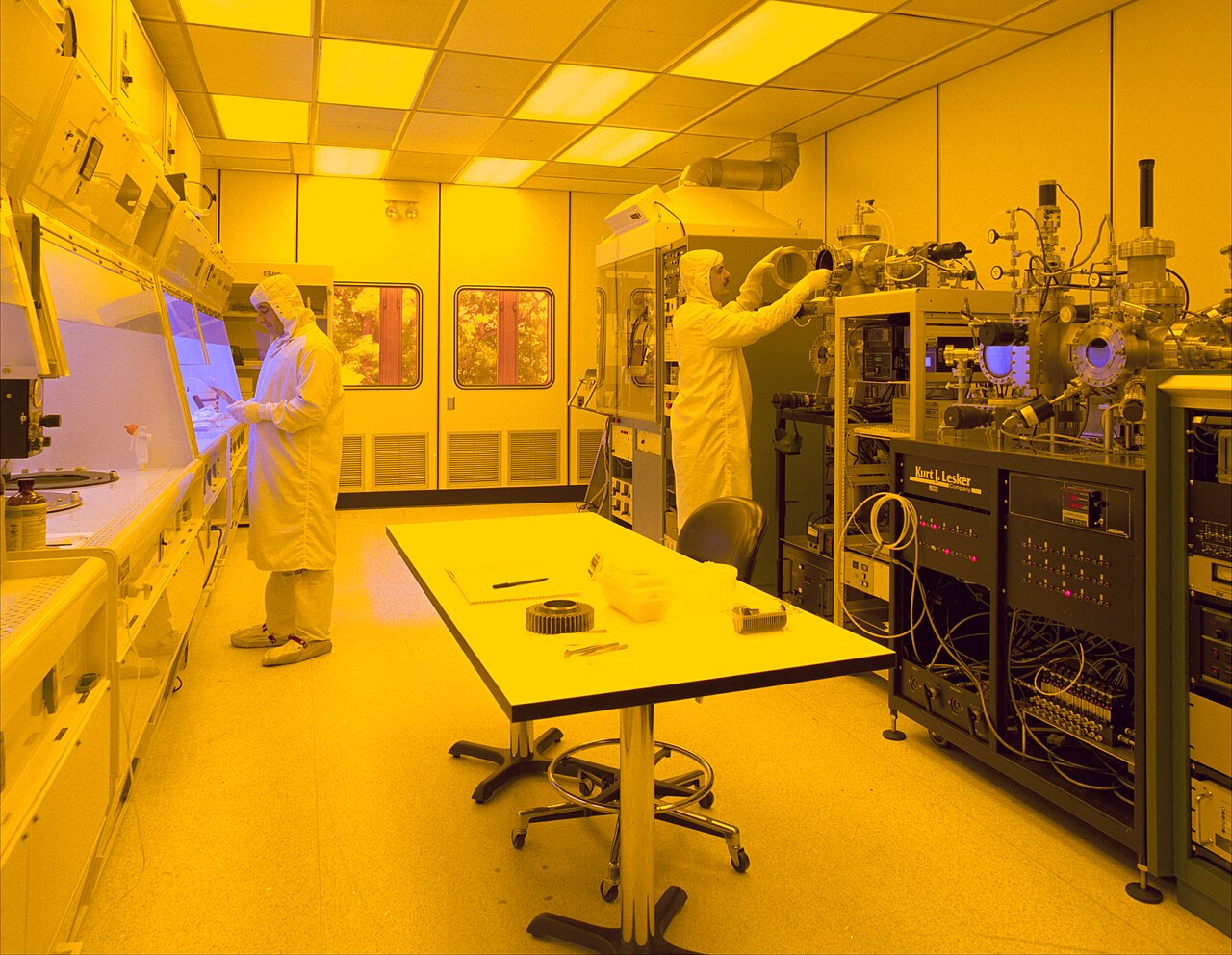
Semiconductors lead. MOTIE reported that Korean semiconductor exports rose 43.9 percent in 2024 to USD 141.9 billion, a record high and more than a fifth of all Korean exports, with high-value products such as DDR5 memory and high bandwidth memory (HBM) driving the growth. Behind the headline sits a supporting structure that matters just as much to component buyers: the equipment, materials, inspection and packaging suppliers that serve the chip plants.
The breadth is the second reason. MOTIE's 2024 results noted that all major IT items, including semiconductors, wireless communication devices, displays and computers, grew together for the first time in three years. A buyer outfitting a production line or designing a product can therefore source displays, boards, batteries and connectivity from one national supply base, with one logistics and compliance routine.
The third reason is institutional support for foreign buyers. KOTRA, the Korea Trade-Investment Promotion Agency, operates buyKOREA, a global B2B online marketplace that connects Korean manufacturers and suppliers with buyers worldwide, and runs a Global Partnership programme aimed specifically at the materials, parts and equipment sectors. That programme is unusually relevant to component sourcing, and section four below explains how to use it.
The structure of the Korean components industry
Semiconductors and electronics components
Memory production is concentrated in Samsung Electronics and SK hynix; MOTIE attributed the 2024 semiconductor export record in large part to advanced memory, including DDR5 and HBM products used in data centres. Around the chipmakers sits a deep tier of suppliers of wafer materials, specialty gases and chemicals, photomasks, test and inspection equipment, and outsourced packaging and testing. Koh Young Technology, listed by KOTRA's Invest KOREA among Korea's leading robot and equipment companies, built its business on 3D inspection systems for electronics assembly, which illustrates how Korean component strength extends into the equipment used to make electronics.
Displays
Korea's display industry is anchored by Samsung Display and LG Display and is centred on OLED panels for phones, tablets, monitors and televisions, alongside the driver ICs, films and module assembly that turn a panel into a usable component. Displays were among the IT items MOTIE recorded as growing in 2024, and for buyers the practical route is usually through module houses and authorised channels rather than the panel makers themselves.
Batteries and battery materials
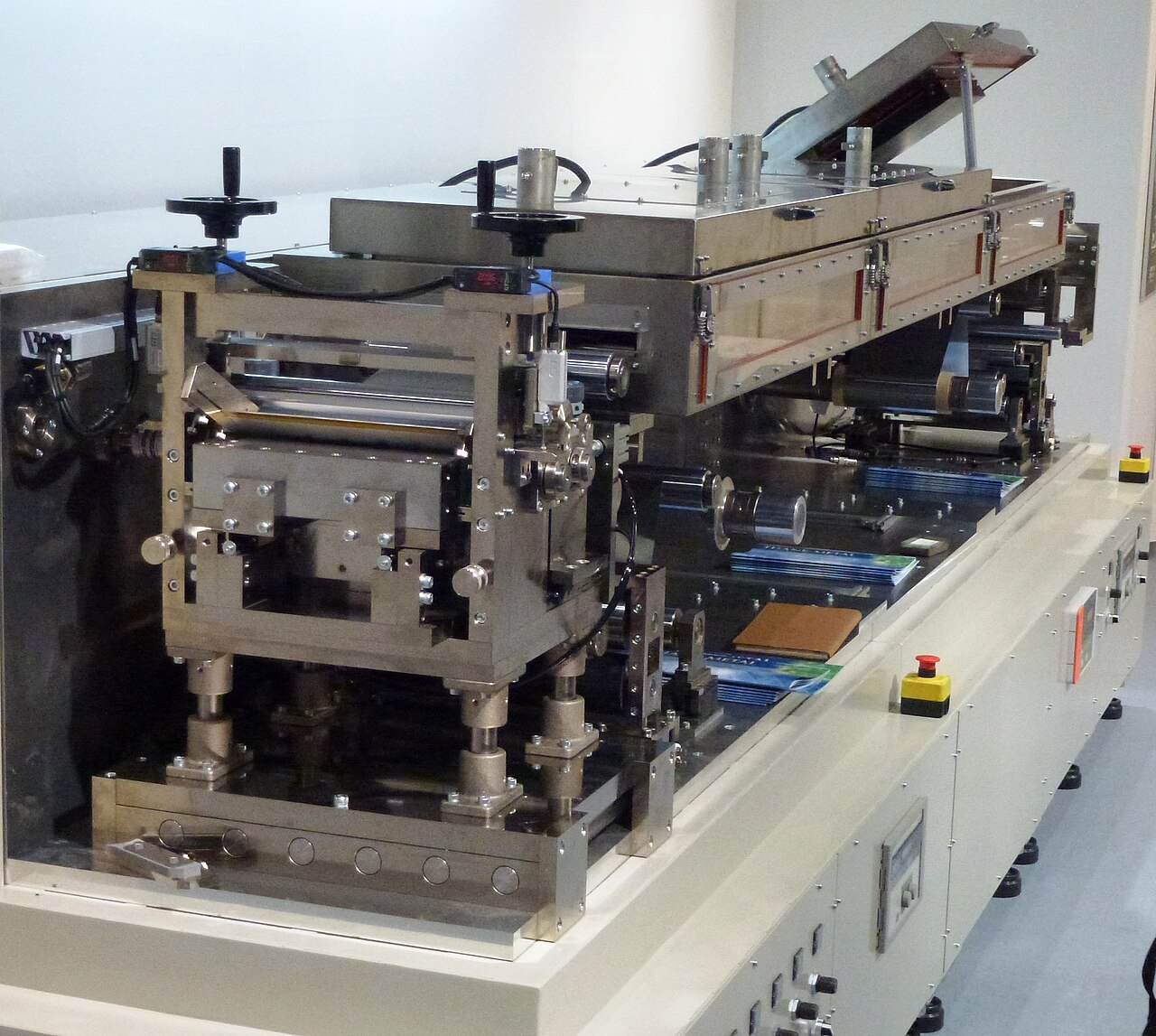
Korea's three cell manufacturers, LG Energy Solution, Samsung SDI and SK On, supply cells and packs to vehicle and energy storage programmes worldwide. Around them, Korean suppliers provide cathode and anode materials, separators, electrolytes, copper and aluminium foils, and the coating, winding and formation equipment used in cell production. Buyers of cells at volume deal with the makers or their regional sales companies; buyers of materials and production equipment deal with the mid-tier suppliers behind them.
Robotics components and robots
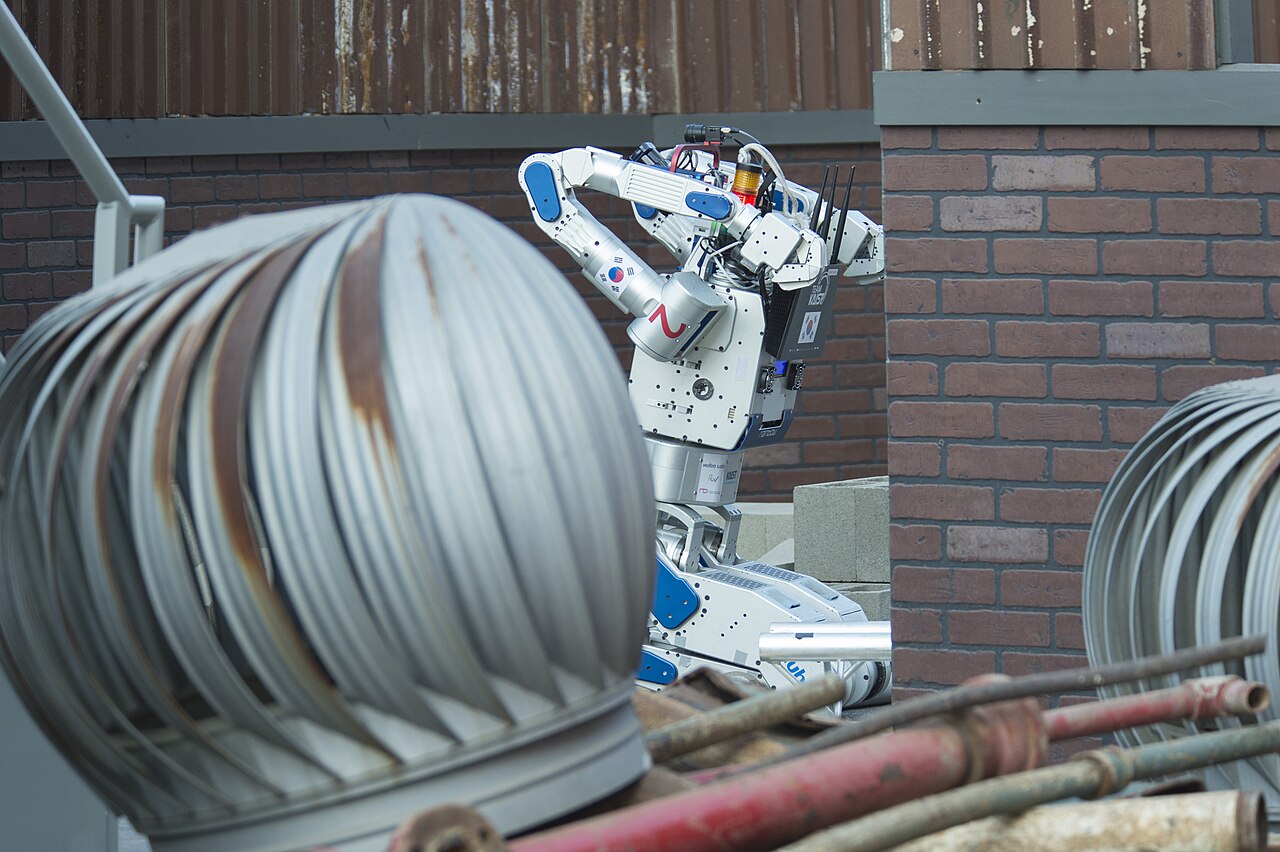
Korea's robot industry grew out of its electronics and automotive plants, and its structure reflects that. Invest KOREA, drawing on the 2021 Robotics Industry Survey, put Korean robot industry sales at KRW 5.5 trillion in 2020 and recorded robot parts as the fastest-growing segment, expanding at an average of 11.7 percent a year over 2015 to 2020, ahead of service robots at 6.4 percent and manufacturing robots at 2.1 percent. Invest KOREA's listing of major domestic players includes HD Hyundai Robotics in manufacturing robots, Robostar in factory automation equipment, and Samsung Electronics and LG Electronics in service robots. The Korea Association of Robot Industry (KAR) is the sector's industry association and a reference point for identifying established Korean robot and component makers. For buyers, the components on offer from this base include servo motors and drives, precision reducers, controllers, machine vision and inspection systems, and collaborative and industrial robots for electronics and logistics lines.
What buyers typically source from South Korea
The recurring list: memory and storage products and electronic components; display panels and assembled display modules; lithium-ion cells, battery materials and battery production equipment; robot components, including reducers, servo systems, controllers and sensors; semiconductor materials and production and inspection equipment; and complete collaborative and industrial robots for electronics assembly and logistics. Quantities and channels differ sharply by item, which is why the process below separates verification from ordering.
Channels and the sourcing process
1. Start with the official marketplaces. buyKOREA, operated by KOTRA, is a B2B marketplace built to connect overseas buyers with Korean suppliers and supports online enquiry and payment for listed products. KOTRA's Global Partnership (GP) programme goes further for parts and materials: it exists to match global companies with Korean manufacturers in the materials, parts and equipment sectors, and KOTRA notes that 54 of its 127 overseas offices act as GP business centres, so a buyer can often start the conversation with a KOTRA office in their own region. Listing on these platforms is a useful first screen, not a substitute for verification.
2. Verify the supplier, not just the product. Confirm whether you are dealing with the manufacturer, a group sales company or a trader; ask for the company's Korean business registration details and check them against the details on its invoices and quotations. For components where authenticity matters, such as memory products and cells, buy through authorised channels and require date codes and lot information in the quotation. KOTRA's overseas offices can help identify which Korean body or association covers a given product area; KAR covers the robotics side.
3. Qualify with samples and specifications. Korean component suppliers are specification-driven. Send drawings, electrical specifications and acceptance criteria with the enquiry, order engineering samples, and agree on the test method before discussing volume pricing. For battery cells and materials, request the specification sheet and safety documentation set that the supplier issues for export customers, and confirm which documents accompany each shipment.
4. Contract on export terms. Quotations are normally in US dollars for export, with MOQs that are modest for marketplace items and substantial for cells, panels and custom components. Confirm who handles export declaration on the Korean side, what the standard lead time is from order confirmation rather than from payment, and how warranty claims and returns are routed for overseas buyers. Korea's customs administration runs an electronic clearance system that established exporters use routinely, so experienced suppliers should be able to give you a clean, documented export process.
5. Plan for concentration risk. Korea's greatest strength, its depth in semiconductors, is also a concentration: MOTIE's figure of USD 141.9 billion in chip exports within USD 683.8 billion of total exports means component pricing and allocation move with the memory cycle. For critical items, qualify a second source or hold buffer stock rather than assuming spot availability.
Sourcing from South Korea through GlobleMatch
The GlobleMatch directory includes Korean electronics and robotics suppliers, and buyers can browse company profiles by category and country or post a single sourcing request covering components, quantities, specifications and destination. Posting a request is free for buyers. Matches and introductions are made on the basis of fit between the request and the supplier's profile. There is no paid ranking: suppliers cannot pay to be placed ahead of better-fitting companies, and there are no paid placements in introductions. A Korean components request works best when it names the exact specification or part family, target quantities, acceptable equivalents and the certification documents required, because Korean suppliers respond fastest to enquiries they can price without a round of clarification.
Frequently asked questions
What is buyKOREA, and should I use it alongside other channels?
buyKOREA is the B2B online marketplace operated by KOTRA, Korea's trade and investment promotion agency, connecting Korean manufacturers with buyers worldwide. It is a good discovery and first-contact channel; for production volumes, follow it with direct verification and qualification of the supplier.
Which Korean components offer the deepest supplier base?
Memory and electronics components, display modules, battery cells and materials, and robot components such as reducers, servo systems and inspection equipment all have established multi-supplier bases, supported by the export figures and industry structure described above.
How large is Korea's robot industry?
Invest KOREA, citing the 2021 Robotics Industry Survey, reported robot industry sales of KRW 5.5 trillion in 2020, with robot parts the fastest-growing segment at an average of 11.7 percent a year over 2015 to 2020.
Is sourcing through GlobleMatch free for buyers?
Yes. Posting a sourcing request is free, introductions are based on fit, and there is no paid ranking or paid placement in the matching process.
Sources
Every figure in this article traces to one of the following primary sources:
Total Korean exports of USD 683.8 billion in 2024, up 8.2 percent and an all-time high; semiconductor exports up 43.9 percent to USD 141.9 billion, a record high, led by DDR5 and HBM products; all IT items including displays growing together for the first time in three years; exports to the United States of USD 127.8 billion: Ministry of Trade, Industry and Energy (MOTIE), press release, "Korea's annual exports reach new highs in 2024" — https://english.motir.go.kr/eng/article/EATCLdfa319ada/2185/view
buyKOREA as a global B2B online marketplace operated by KOTRA connecting Korean manufacturers and suppliers with buyers worldwide: KOTRA, buyKOREA service description — https://ombudsman.kotra.or.kr/upload/kotraexpress/2017/04/service.html
KOTRA Global Partnership programme for the materials, parts and equipment sectors, and 54 of 127 KOTRA overseas offices acting as Global Partnership business centres: KOTRA, buyKOREA Global Partnership business pages — https://fo.buykorea.org/gp/kotra/html/en/info\_gp/business.do
Korean robot industry sales of KRW 5.5 trillion in 2020; segment growth rates for 2015 to 2020 of 11.7 percent for robot parts, 6.4 percent for service robots and 2.1 percent for manufacturing robots; major domestic players including HD Hyundai Robotics, Koh Young Technology and Robostar: Invest KOREA (KOTRA), robot industry page, drawing on the 2021 Robotics Industry Survey — https://ombudsman.kotra.or.kr/ik-en/cntnts/i-3024/web.do?clickArea=enmain00023
The Korea Association of Robot Industry (KAR) as the industry association for the Korean robot sector: Korea Association of Robot Industry — https://www.korearobot.or.kr
Image credits
Image: Cleanroom of a semiconductor manufacturing facility — Public domain (NASA), via Wikimedia Commons
Image: HUBO, the humanoid robot developed at KAIST, during the DARPA Robotics Challenge — CC BY 2.0, Office of Naval Research, via Wikimedia Commons
Image: Coating equipment for electrodes for lithium-ion batteries — CC BY 3.0, RudolfSimon, via Wikimedia Commons