
Introduction
A robot procurement project involves more than selecting a manipulator. NIST identifies interoperability as a significant barrier to integrating robotic systems into existing manufacturing facilities. Its research describes communication challenges between robots, sensors, perception systems, mobility components, and manipulation equipment. Source
This guide translates that research context into a supplier-evaluation framework. The questions below are procurement recommendations, not claims that any particular vendor meets a technical standard.
Define the application before the component
Begin with the workpiece, process, operating environment, and expected interactions with existing machinery. A pick-and-place cell, an assembly process, and a mobile manipulation application have different integration boundaries. Specify the task before requesting quotations, because a robot arm alone does not establish the feasibility of the complete cell.
NIST notes that robotic assembly can involve flexible materials, subtle alignment, and fastening tasks that are difficult for systems designed around simple constrained environments. This is a reason to request representative workpiece tests rather than rely only on promotional demonstrations. Source
Map the interface boundaries
A technical request for information should list controllers, field devices, sensing components, end effectors, safety equipment, data interfaces, and supervisory software. Ask each vendor which interfaces are documented, which are proprietary, and which require additional software or integration services.
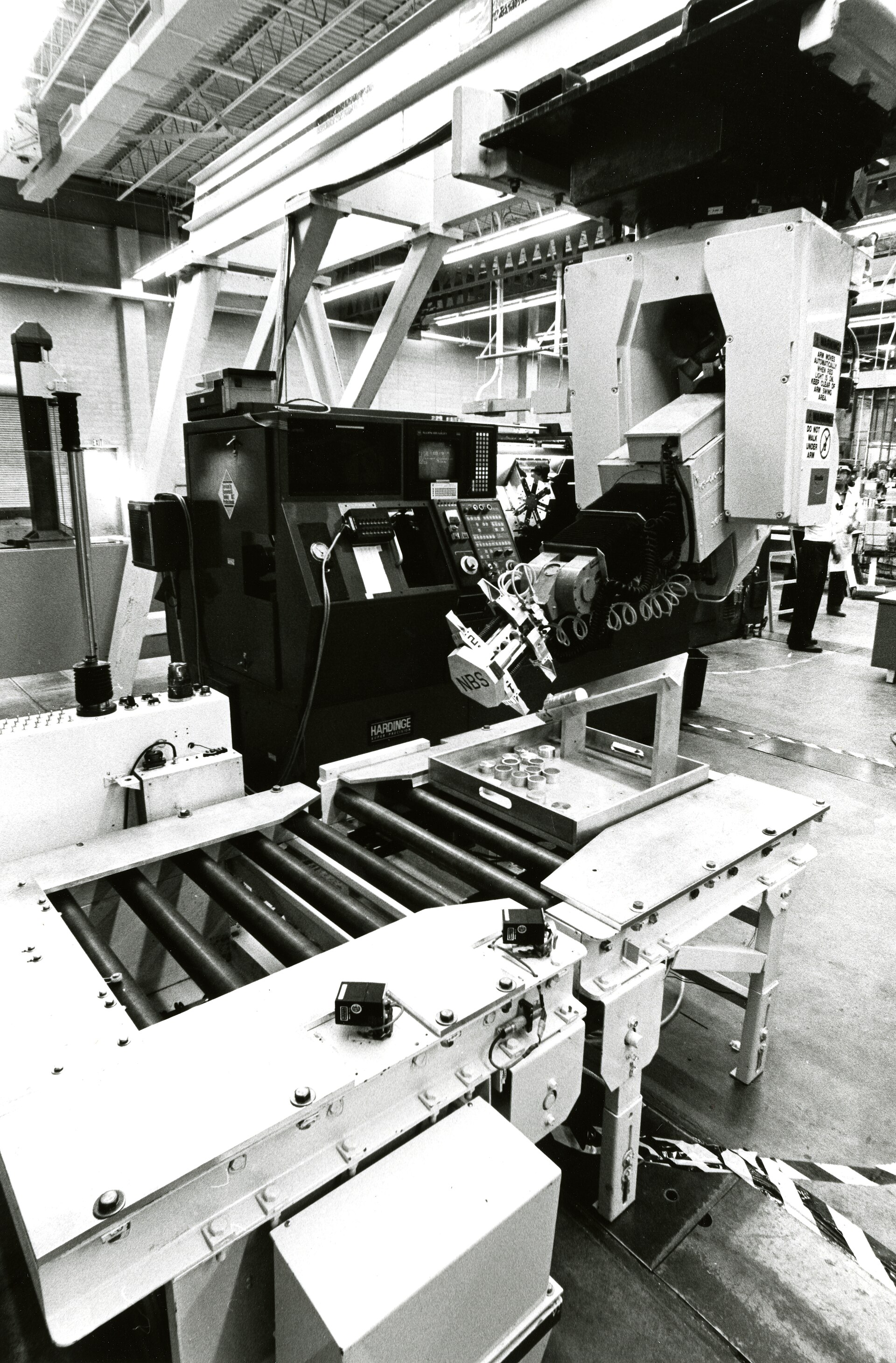
NIST describes the need for information models, protocols, reference implementations, test methods, and tools that support interoperable robot assembly systems. Its research also describes a bridge between ROS-Industrial and MTConnect in a part-loading example. This is an example of interoperability research, not a guarantee that a specific commercial installation supports both technologies. Source
Separate hardware compatibility from workflow compatibility
A peripheral may connect electrically but still require custom motion planning, calibration, or recovery behavior. Buyers should therefore request interface documentation, representative integration architecture, and a written account of what the supplier will deliver. A demonstration of an individual device is not equivalent to acceptance testing of the complete workflow.
For vision systems, request information about coordinate frames, calibration procedures, supported outputs, and error handling. For end effectors, document payload and gripping requirements as well as the intended robot interface. For software, document how failures are surfaced to operators and how configurations are versioned.
Safety is a system-level requirement
ISO 10218-1:2025 covers safety requirements for industrial robots, while ISO 10218-2:2025 addresses integration and robot applications. The official ISO scope explicitly distinguishes the robot itself from additional hazards arising from its application, such as welding or machining. Buyers should review which requirements apply to their installation with qualified safety professionals. Source
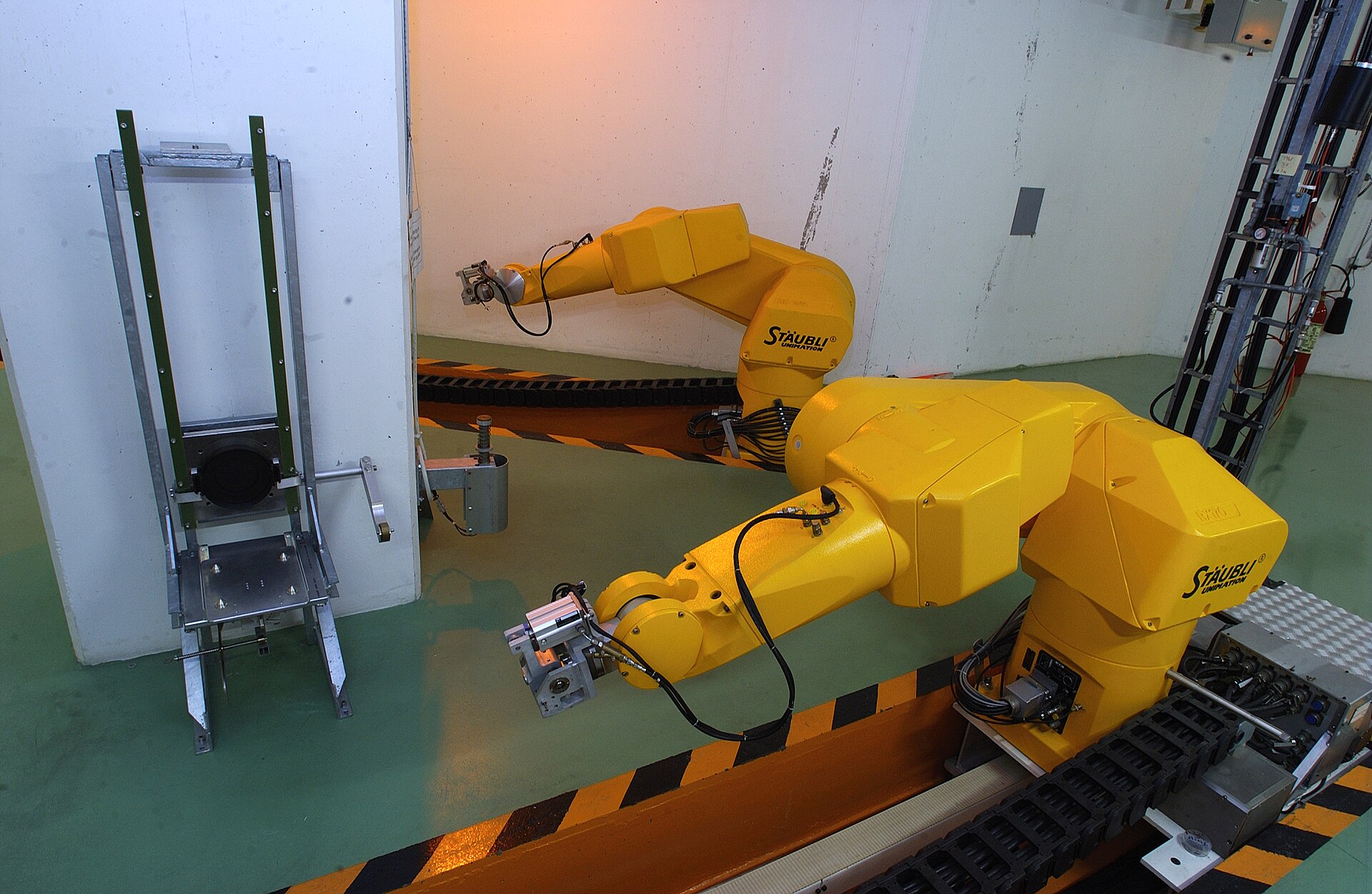
A supplier questionnaire can ask who performs risk assessment, who designs safeguarding, how safety functions are validated, and which party owns the final cell documentation. The existence of a robot manufacturer's conformity statement should not be treated as proof that every future installation is safe.
Design a meaningful acceptance test
An acceptance protocol should define representative inputs, normal operation, foreseeable failures, recovery procedures, operator interventions, and the documents required at handover. Record what will be measured, how it will be measured, and who will sign off. Avoid a single headline performance number when the process includes several different operating modes.
Consider testing at the workpiece and cell level. NIST's research emphasizes that assembly challenges often arise from sensor information and interactions among components rather than from a single device in isolation. Source
Compare vendors consistently
A neutral comparison table can separate verified product facts from procurement questions. Facts may include officially published product families, documented interfaces, and the existence of technical documentation. Questions requiring a quotation, engineering study, or on-site demonstration should remain marked as unresolved until evidence is available.
Do not interpret a missing public specification as a product deficiency. Some manufacturers publish detailed interface manuals; others supply them during technical evaluation. A directory should leave missing fields blank and identify the evidence status.
Conclusion
Interoperability and safety should be evaluated alongside mechanical capability and application fit. The most useful supplier shortlist is one that distinguishes published facts, engineering assumptions, and items that must be tested in the buyer's own environment.
Source register
- NIST robotic systems interoperability and integration: https://www.nist.gov/programs-projects/robotic-systems-interoperability-and-integration
- ISO 10218-1:2025 scope and references: https://www.iso.org/standard/73933.html