
Executive brief
A robot cell is both a physical machine and a networked operating environment. A procurement process that evaluates payload, reach and cycle time but never asks who can change a controller program is incomplete. This guide is an editorial buyer checklist, not a certification scheme or a substitute for site-specific engineering.
Why the market context matters
The International Federation of Robotics reported on September 24, 2026 that global industrial robot installations exceeded 600,000 units in 2025 and operational stock reached about five million. These figures describe scale, not a verified cybersecurity incident rate. More deployments mean more buyers must coordinate engineering, IT, OT and integrators; they do not prove that any specific robot is insecure. Source: IFR, World Robotics 2026 release.
Start with the real boundary
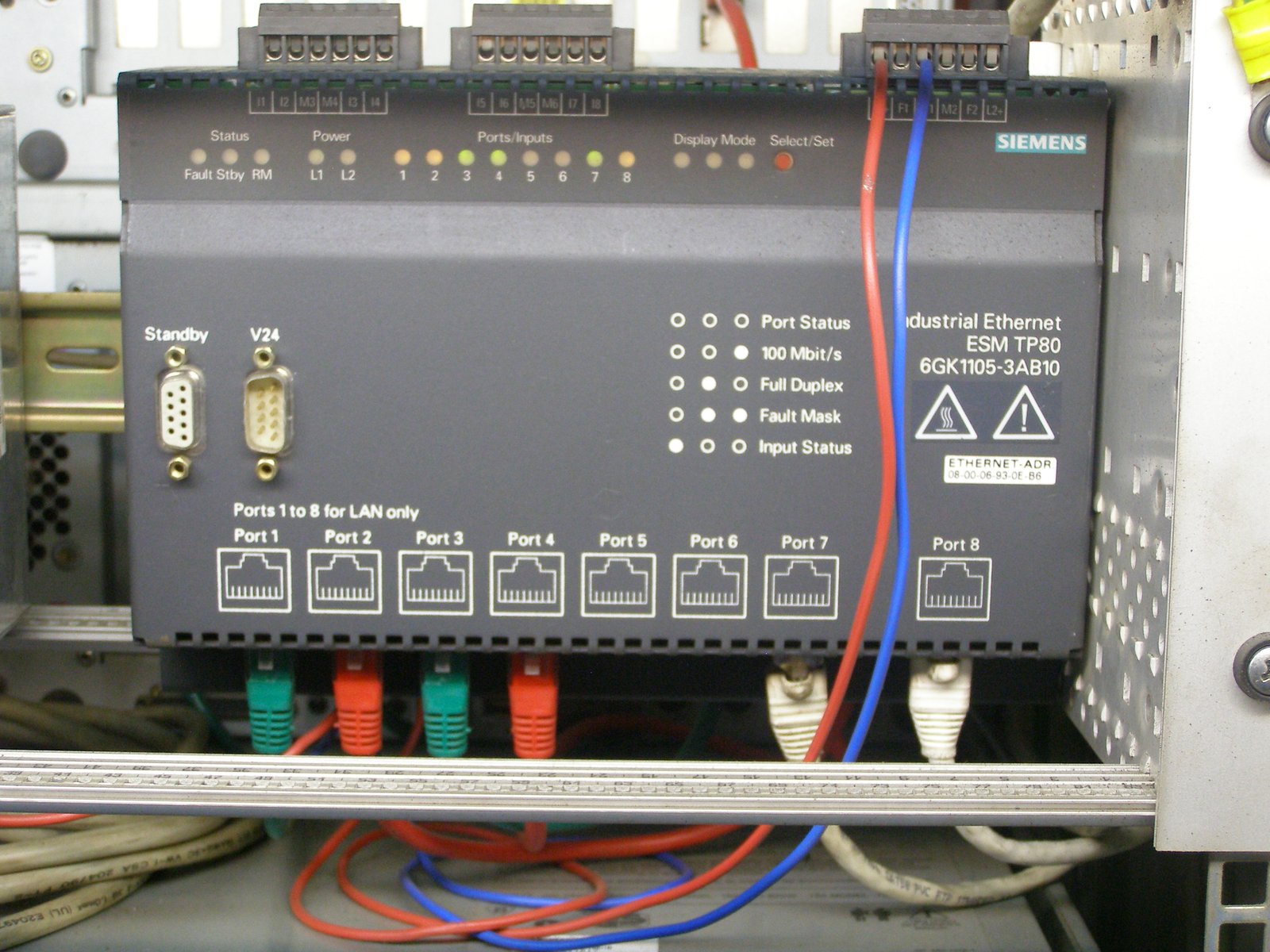
The purchased robot arm is not the entire system. Ask the supplier to draw the boundary around the controller, teach pendant, safety controller, PLC, industrial PC, vision devices, historian, remote-support gateway, engineering laptop and plant network. Record who owns each asset and each interface. An unlisted laptop used for commissioning can be as important to the operational handover as the robot itself.
Separate safety and cybersecurity
OSHA describes hazards associated with non-routine robot work such as programming, maintenance, testing and setup. OSHA also says there are no robotics-industry-specific OSHA standards, while identifying relevant consensus standards and other requirements. Cybersecurity review cannot replace a machine risk assessment, safety validation, guarding or lockout procedures. Conversely, passing a mechanical acceptance test does not establish that remote access is controlled. Sources: OSHA robotics overview and OSHA robotics standards.
Use NIST guidance precisely
NIST SP 800-82 Revision 3, published September 28, 2023, addresses OT security in environments where reliability, safety and performance constraints matter. It offers risk-management guidance, not a blanket product certification. NIST began a revision process in January 2026, so buyers should record the publication version they actually used. Treat each control below as a proposed procurement question to adapt to site risk, not as a claim that NIST mandates this exact checklist. Source: NIST, SP 800-82 Revision 3 announcement.
1. Inventory before integration
Request a bill of connected assets: device type, manufacturer, firmware, network interface, owner, maintenance contact, software dependency and expected support end date. Ask for a network diagram with every routable connection, including vendor service access. A complete inventory allows plant staff to assess change impacts; an incomplete inventory is an unresolved handover issue.
2. Remote access with an expiry date
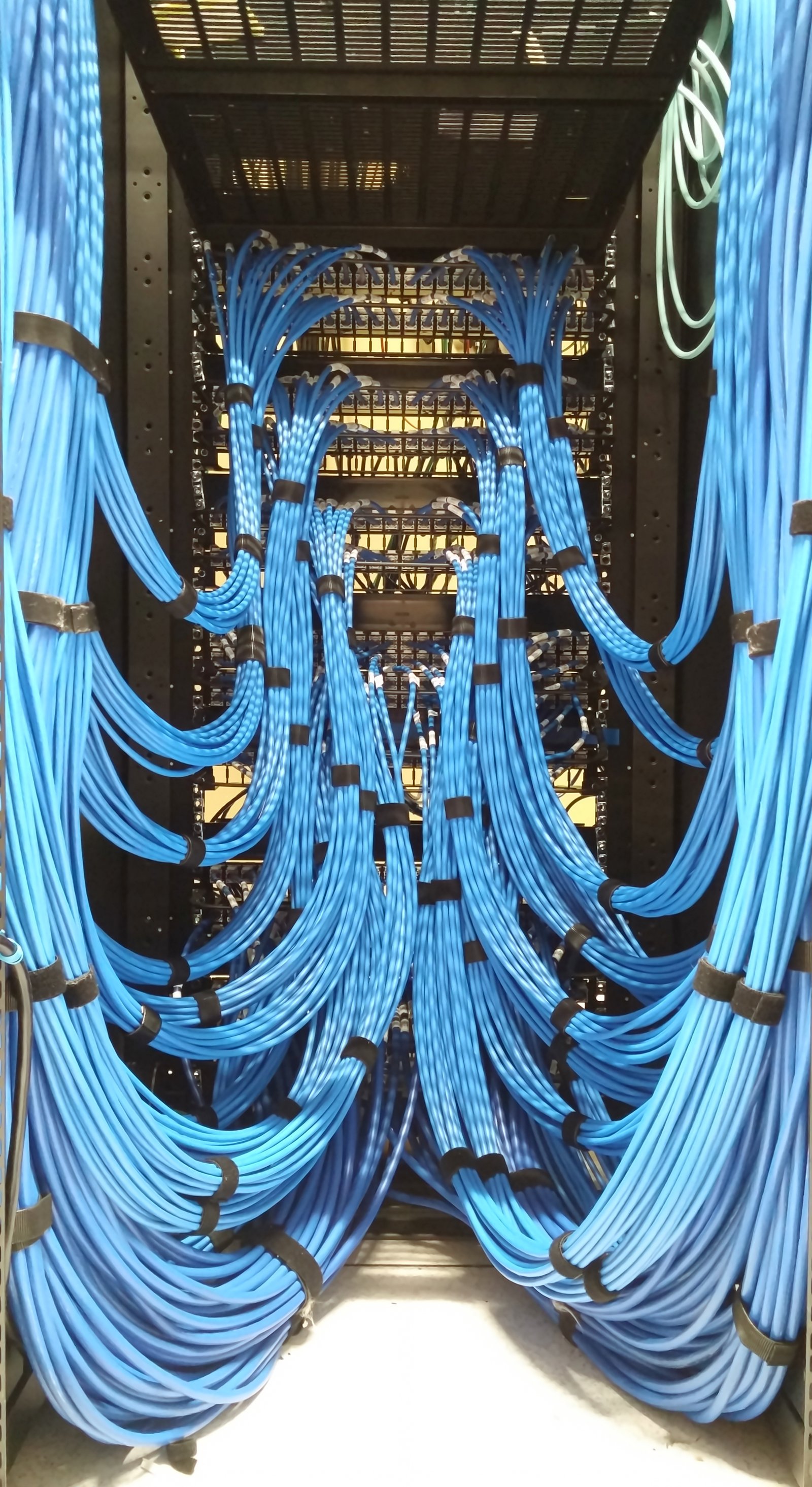
Document whether remote access is needed at all. If it is, agree on a named approver, individually attributable identities, authentication, permitted hours, monitored sessions, emergency revocation and a default-off state. Ask the vendor to demonstrate a failed connection after access is revoked. Do not assume a VPN alone defines who may modify robot logic.
3. Backups that can actually restore
Specify which robot programs, PLC logic, controller configurations, recipes, calibration data and vision models must be recoverable. Collect the backup procedure and test restoration in a controlled environment. Record the last successful test, recovery owner and realistic recovery objective. A backup file whose software version is incompatible with replacement hardware is not a proven recovery plan.
4. Changes, patches and version evidence
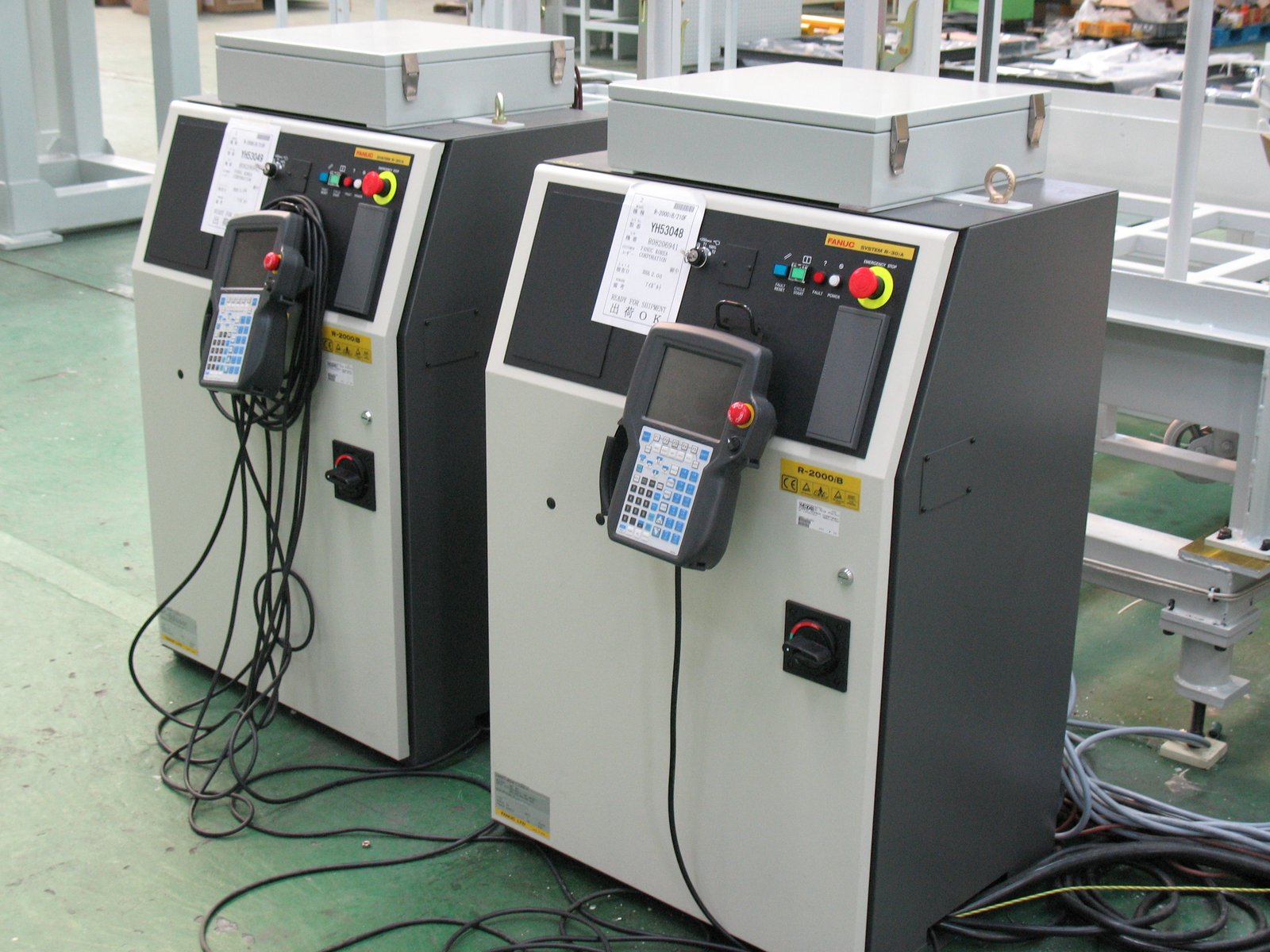
Ask who approves changes to robot paths, PLC logic, firmware, safety configurations and remote-access rules. Require a baseline at factory acceptance and an as-built version list after site acceptance. Distinguish emergency vulnerability mitigation from ordinary feature updates. Some OT patches require downtime and engineering validation; do not prescribe automatic installation without assessing process safety and production impact.
5. Logging and incident coordination
Identify which systems can log remote logins, program edits, controller faults, safety events and network changes. Agree on retention, time synchronization, review responsibilities and escalation contacts. Write a joint incident playbook covering safe shutdown, evidence preservation, vendor support and restoration authorization. The playbook should not promise forensic capabilities that the equipment cannot provide.
6. Supplier and integrator accountability
A robot OEM may supply a controller, an integrator may configure the cell, and the buyer may administer plant identities and networks. The purchase order should name an accountable party for each security deliverable. Avoid vague phrases such as "industry-standard security." Instead attach acceptance evidence, ownership, deadlines and an exception process.
7. Acceptance tests, not brochure adjectives
Use witnessable tests: inventory matches installed equipment; a blocked unauthorized remote login is recorded; a named account is disabled; a configuration backup is restored in a safe test environment; a version change is logged; support escalation reaches the assigned owner. Define what constitutes a pass, a conditional pass and a stop. Never test intrusive security scenarios on a live production cell without engineering approval.
A practical evidence table
For each requirement, use the same fields: requirement ID; asset or interface; responsible party; evidence URL or file reference; test method; witness; test date; result; exception owner; closure date. Keep missing evidence blank. "Vendor said yes" is a statement, not the same as a witnessed test. An unanswered field should remain open rather than being marked compliant.
What buyers should ask before signing
Who can reach the controller from outside the plant? What credentials ship by default? Who can alter robot programs and safety-related settings? How are credentials revoked when a service technician leaves? What happens when the vendor stops supporting firmware? Which files and licenses are required to restore operation? What evidence will be delivered at FAT and SAT? Who pays for a retest after a failed security acceptance item?
Where this fits in procurement
During request for information, seek architecture and support policy. During request for quotation, translate the highest-risk questions into contract deliverables. During factory acceptance, verify configuration and remote-access controls. During site acceptance, verify plant-network interfaces and operator handover. During operations, schedule periodic access and backup reviews. This staged approach avoids demanding full site evidence before the site exists.
What this guide does not claim
It does not estimate cyberattack probability, certify any brand, replace applicable safety rules, or assert that every facility needs identical controls. It is not legal advice. A facility with isolated equipment and a facility with extensive remote vendor connectivity can require materially different mitigations. Have qualified OT security and safety professionals review the final plan.
Editorial conclusion
The useful question is not whether a robot vendor can say "secure." It is whether the buyer can identify every connected component, show who controls it, witness essential recovery and access tests, and preserve the evidence after the integrator leaves. That is the difference between buying a machine and accepting a maintainable production system.
All checklists and procurement recommendations in this guide are original editorial proposals, not quoted standards.
Related directory categories
Browse the categories this guide points to in the GlobleMatch directory: robotics software and AI suppliers, robotics system integrators and industrial robot suppliers.
Sources
- IFR, World Robotics 2026 release, September 24, 2026: ifr.org
- NIST, SP 800-82 Revision 3 announcement, September 28, 2023: csrc.nist.gov
- NIST, OT security project updates (revision notice, January 22, 2026): csrc.nist.gov
- OSHA, robotics overview: osha.gov/robotics
- OSHA, robotics standards reference: osha.gov/robotics/standards
- OSHA, Technical Manual, robot systems: osha.gov